

Achilles Tendonitis:
Featuring Class IV Laser Therapy with an Integrated Treatment Plan Restoring Mobility and Function
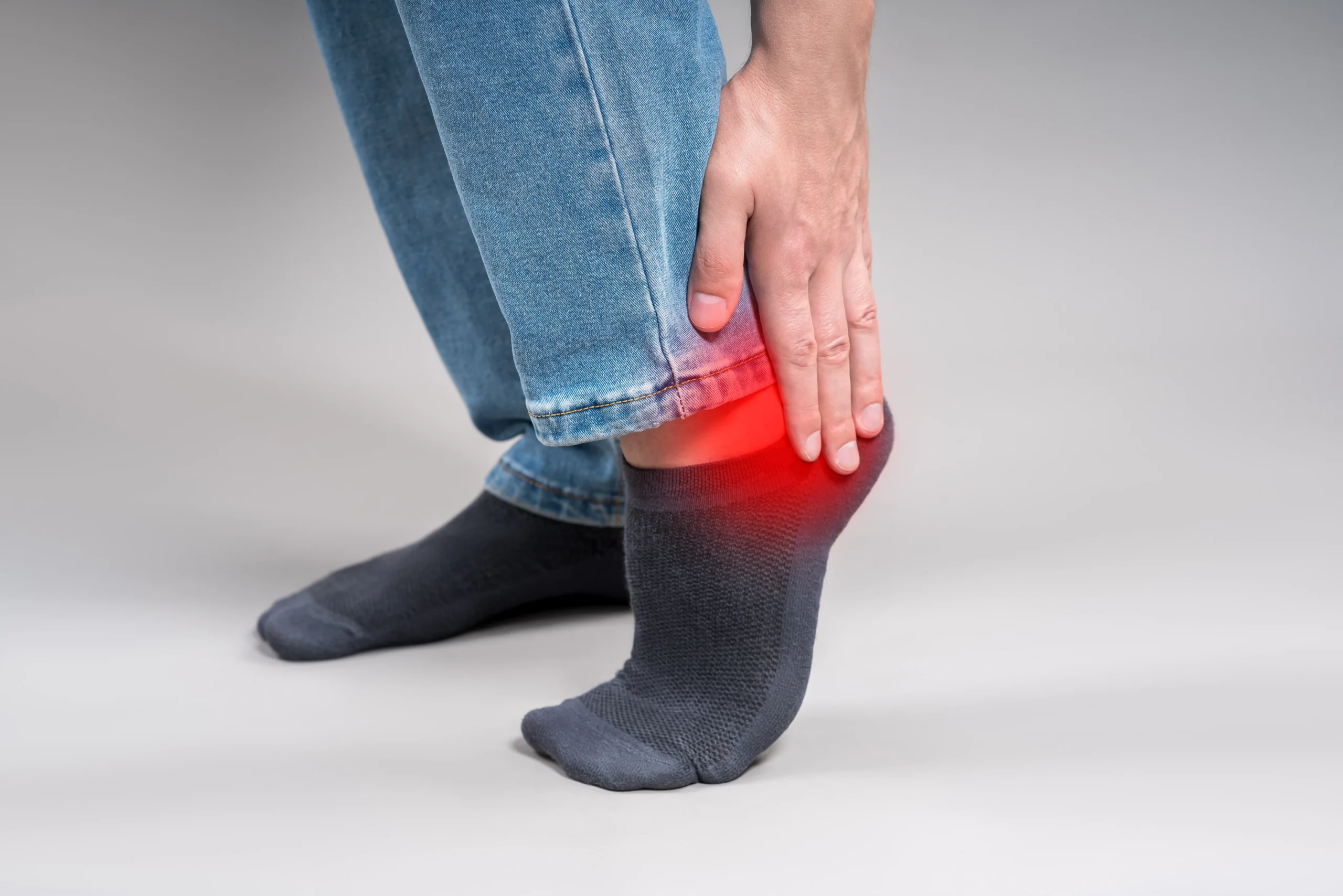
Achilles tendonitis is a common condition caused by irritation and overload of the tendon that connects the calf muscles to the heel bone. It often develops gradually, producing stiffness and pain that limit walking, running, or climbing stairs. Without proper treatment, symptoms may persist for months and affect daily life. At REHABILITY NJ, patients benefit from a coordinated plan that integrates physical therapy, chiropractic care, and acupuncture, a clinical combination that addresses pain, mobility, and tissue recovery together.
THE REHABILITY NJ CARE TO SHARE PROMOTION!
Enter for a chance to win a $100 Amazon Gift Card for referring a family member or friend! We will enter your name into the drawing for each referral throughout the season. We look forward to helping you achieve your health goals throughout the year and we thank you for your continued loyalty and trust in our services!
Understanding Achilles Tendonitis
The Achilles tendon works every time you push off, climb stairs, or rise on your toes. Repeated stress from running, prolonged standing, or tight calf muscles can exceed the tendon’s capacity, leading to micro-injury and inflammation. Typical signs include:
- Dull or sharp pain at the back of the heel or lower calf
- Morning stiffness that eases with movement
- Swelling or tenderness along the tendon
- Pain during activity or after long periods of sitting
When symptoms persist, the tendon becomes less tolerant to loading. Early intervention helps prevent degeneration and prolonged dysfunction.
Clinical Evaluation at REHABILITY NJ
During the initial evaluation, the REHABILITY NJ team conducts a full musculoskeletal assessment. Clinicians measure ankle mobility, calf strength, gait mechanics, and overall movement control. This helps identify why the tendon became overloaded, often a mix of calf tightness, restricted ankle mobility, or movement compensations that increase tendon strain.
NEW at REHABILITY NJ: The Power of Class IV Laser Therapy
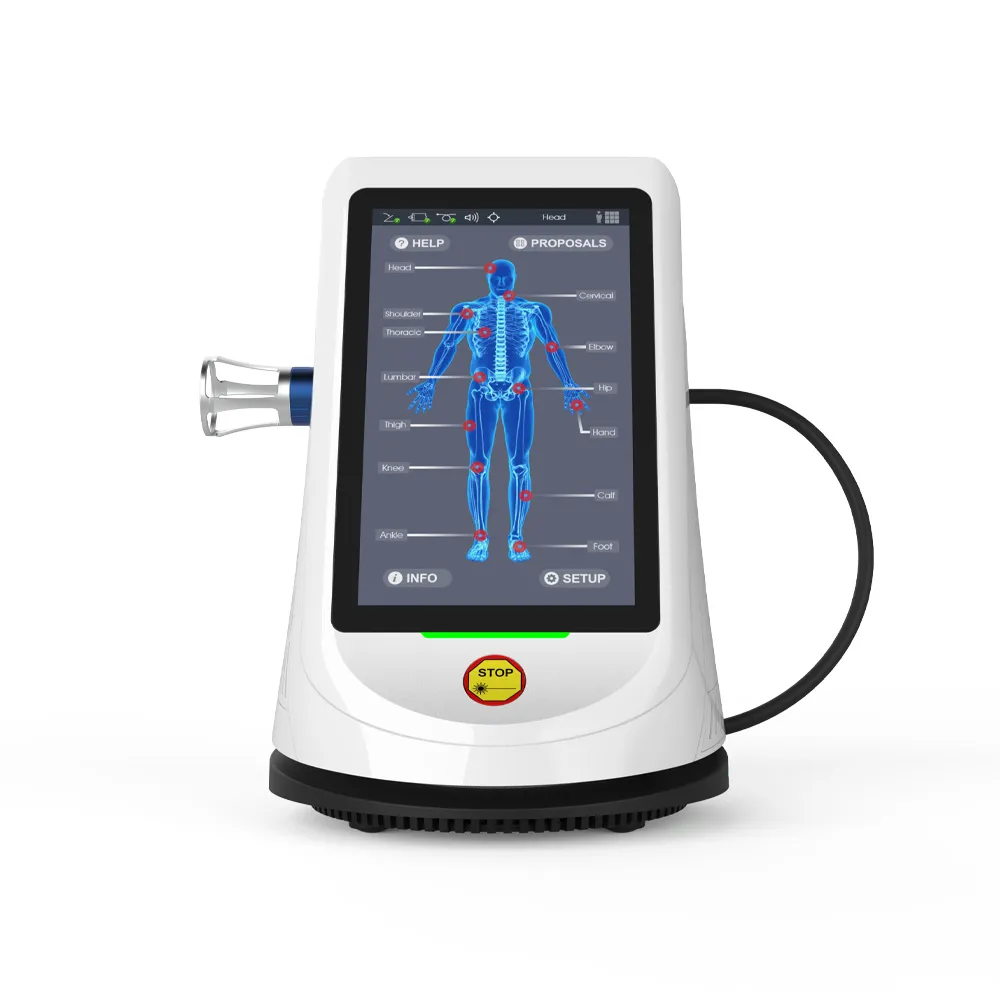
FDS-cleared Class IV laser therapy utilizes infra-red electro-magnetic energy. When the laser light source is placed against your skin, photons penetrate several centimeters down and are absorbed by the mitochondria (the energy producing part of a cell). Simply put, healing is only possible with the regeneration of cellular energy. High powered light energy accelerates the process, in addition to suppressing pain signals and decreasing inflammation.
Class IV laser therapy is extremely safe, non-invasive and all that is usually felt is a mild warming sensation. It penetrates nearly 5x faster and deeper than Class III or cold laser, only taking a matter of minutes to get the maximum effect. While it is not uncommon to feel an immediate sense of relief depending on condition and severity, treatments are generally recommended 2-3x/week from 4-6 weeks, for cumulative improvement and optimal results.
The Role of Physical Therapy
Physical therapy forms the foundation of tendon rehabilitation. The focus is on restoring mobility, rebuilding strength, and improving the tendon’s ability to handle load safely.
Key interventions include:
- Manual Therapy: hands-on techniques such as massage, joint mobilization, and stretching. Deep tissue work on the calf muscles (gastrocnemius and soleus) and Achilles tendon to reduce tightness and improve blood flow.
- Mobility Training: Targeted ankle and calf stretching improves dorsiflexion, reducing stiffness and restoring flexibility.
- Progressive Strengthening: Guided conditioning through exercises such as calf raises and controlled eccentric heel drops to rebuild tendon capacity.
- Movement Retraining: Correcting gait and posture helps distribute load evenly through the foot and lower leg.
- Education and Load Management: Patients learn how to regulate activity to prevent flare-ups while maintaining safe movement.
Physical therapy provides the structure for gradual, measurable improvement. Progress is monitored through pain levels, mobility, and functional performance.
The Role of Chiropractic Care
Chiropractic care complements therapy by addressing foot and ankle joint and movement restrictions that affect the Achilles tendon. Limited motion in the ankle, foot, and even hip can force the tendon to absorb more stress. Chiropractic at REHABILITY NJ focuses on:
- Improving joint mechanics in the affected lower extremity
- Restoring normal alignment and motion patterns
- Reducing compensations that overload the tendon
Joint mobilization and soft tissue techniques improve motion so patients move with less strain. By restoring these mechanical relationships, chiropractic care helps the tendon respond more effectively to rehabilitation exercises.
The Role of Acupuncture
Acupuncture serves as a valuable adjunct in managing pain sensitivity and promoting recovery. When tendon pain limits participation in exercise, acupuncture helps reduce irritability and improve circulation to the affected area. The goal is to create a more favorable environment for tissue repair and consistent participation in physical therapy.
At REHABILITY NJ, acupuncture treatments are scheduled in coordination with therapy and chiropractic care to optimize comfort, healing and recovery time.
A Unified Treatment Plan
The hallmark of REHABILITY NJ’s approach is integration. All three disciplines physical therapy, chiropractic care, and acupuncture are coordinated as a team with shared goals and measurables. Clinicians communicate regularly, track progress using objective markers such as range of motion, strength, and functional tolerance, and modify care as needed.
- Early Phase: Focuses on reducing pain and restoring motion. Ice and manual therapy may be used briefly for pain relief, while mobility work and low-load strengthening begin immediately.
- Progression Phase: Emphasizes tendon loading and capacity building through controlled exercise. Chiropractic care supports movement efficiency, and acupuncture helps manage discomfort during this higher-demand stage.
- Return Phase: Patients transition toward normal training, sport, or work demands under close monitoring. Education on continued strength work and early symptom management reduces recurrence risk.
Why Integration Matters
Achilles tendon pain often persists when only one factor is treated such as inflammation without addressing load or movement mechanics. A multidisciplinary approach ensures that:
- Pain sensitivity is managed while strength is rebuilt
- Joint mobility supports efficient movement
- Load tolerance improves progressively without re-injury
Each discipline enhances the effect of the others, producing better long-term outcomes.
When to Seek Help
If pain in the back of your ankle limits running, walking, or climbing stairs, early evaluation prevents chronic tendon changes. The integrated team at REHABILITY NJ provides a coordinated plan that restores strength, mobility, and confidence in movement through evidence-based care combining physical therapy, chiropractic, and acupuncture.
Exercise Of The Month
Median Nerve Glide
Stand tall with your arm extended in front of you at shoulder height, palm facing up. Use your opposite hand to gently grasp your thumb. Slowly extend your wrist and fingers back. Return to the starting position with control. Perform the motion gently and smoothly.
3 Sets, 10 Reps (each arm).

You Could Be Our Next Success Story!
“I have been a patient at REHABILITY for the past two years and I consider it to be my home away from home. Dr. C and his staff are STELLAR! I am a PT, Chiropractic and acupuncture patient and there is NO PLACE like REHABILITY! Thank you for taking such good care of me and my family for the past two years! Every week I look forward to my appointments. I walk out of the office feeling happy and healthy every time I visit! I wish I could give them ten stars!” -J.O.





Recipe of the Month: Yogurt Covered Strawberries

Ingredients:
- 12 strawberries
- 10 ounces vanilla Greek yogurt
- pink food coloring

Instructions:
- Wash the strawberries and pat them dry. No moisture should remain on the berries before dipping them in the yogurt. Place a piece of parchment paper on a large plate or cutting board.
- Place the yogurt in a small bowl and holding onto the green leaves, dip each strawberry into the yogurt. Swirl it around to cover the berry, leaving a little red at the top. Place each yogurt dipped strawberry on the parchment paper. When you have dipped all the strawberries, place them in the freezer for 15 to 20 minutes.
- Dip the strawberries a second time in the yogurt. To get a gradient of pinks, dip 4 berries in the yogurt with no food coloring, then add a single drop of pink food coloring to the yogurt and stir it till combined. Dip four more berries in the yogurt. Then add another drop of food coloring to the yogurt and stir to combine. Dip the remaining four berries in the yogurt.
- Place the strawberries back in the freezer for 40 minutes to 1 hour. The frozen yogurt will begin melting when you remove the berries from the freezer, so only pull them out when you are ready to serve them.