Health Blog
Chiropractic Care Approaches for Chronic Back Pain
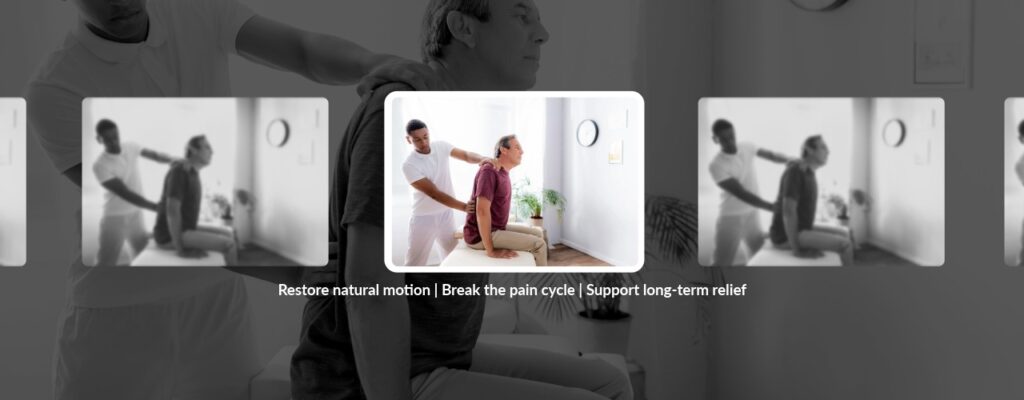
Chronic back pain can limit work, sleep, and daily movement. Many adults try rest or medication, but relief is often temporary. Long-lasting comfort requires a plan that improves how the spine moves, how the muscles support it, and how nerves communicate. Chiropractors use targeted, natural techniques to create these changes. This guide explains how chiropractic care for back pain works and how you can support your recovery.
Steps to Understanding Chiropractic Care for Back Pain
Step 1: Identify the True Cause of Back Pain
Chronic back pain often comes from several sources at once.
Read full blogHow Physical Therapy Eases Arthritis Pain and Stiffness
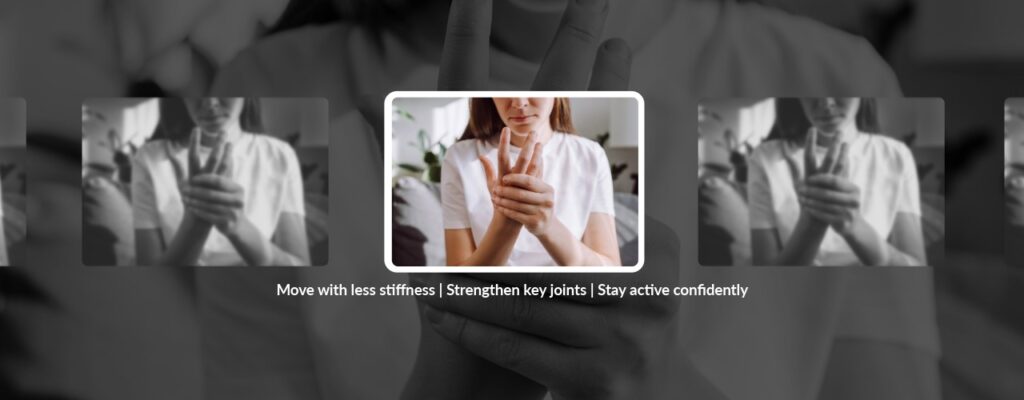
Active adults often want to stay strong, mobile, and engaged in their favorite activities, even when arthritis causes stiffness and discomfort. Fortunately, physical therapy for arthritis offers safe movement, proven treatments, and long-term joint protection. Let’s explore how helps active adults manage arthritis symptoms while staying confident in their daily routines and athletic goals.
Understanding Arthritis
Arthritis occurs when joint structures change over time, often due to wear, past injuries, or repetitive loading.
Read full blogThe Secret to Finding IT Band Syndrome Relief
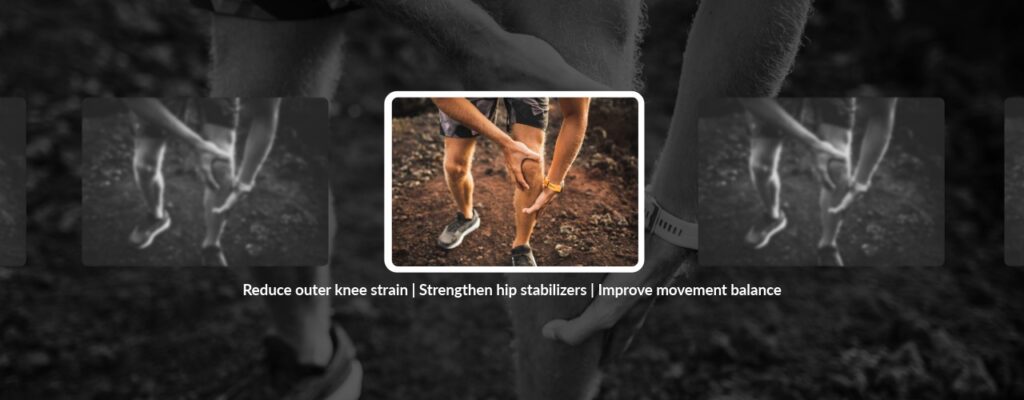
The iliotibial band, or IT band, is a long band of connective tissue that runs along the outside of the thigh. When irritated, it can cause sharp or burning pain in the outer knee or hip. Adults dealing with this condition often find the pain unpredictable. It may flare during walking, climbing stairs, or after sitting for long periods. Many try stretching or rest, but symptoms return because the underlying problem isn’t addressed. Physical therapy offers a clear path toward lasting IT band syndrome relief by correcting movement patterns and improving tissue balance.
Read full blogNatural Migraine Relief Through Chiropractic Care
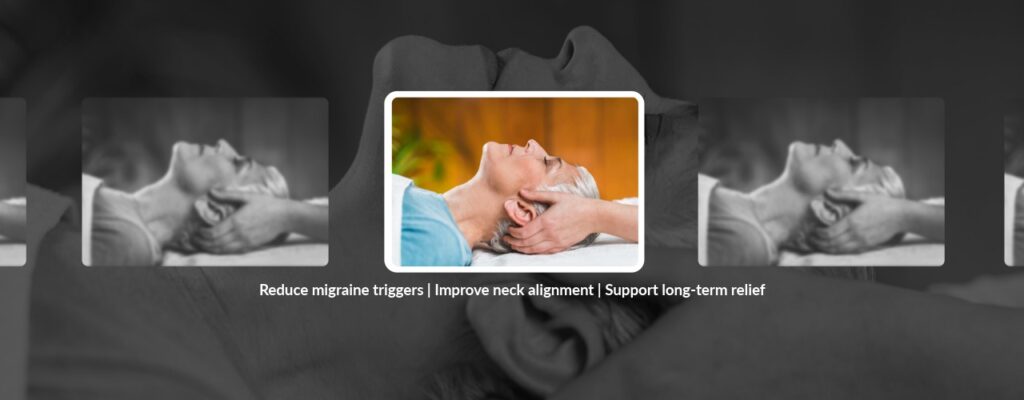
Migraines disrupt daily routines in a way few other conditions can. Adults may experience pounding pain, sensitivity to light and sound, nausea, or visual disturbances that make it difficult to work, drive, or complete simple tasks. Many rely on medication for short-term relief, but symptoms often return because the underlying causes remain untreated. This is why many adults turn to chiropractic care for migraines as a natural, long-term solution that addresses the mechanical and neurological factors behind migraine episodes.
Read full blogWhy Rehab After Hip Replacement Is Essential
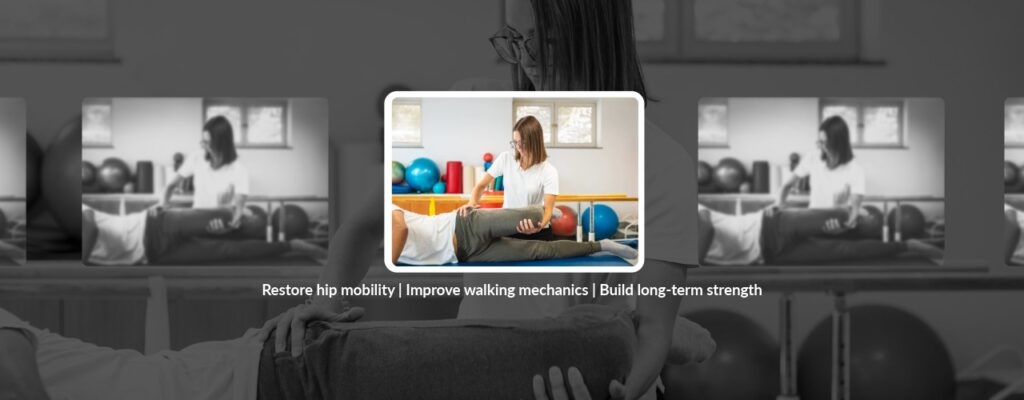
A hip replacement can reduce severe pain and improve quality of life, but the surgery itself is only part of the recovery process. The surrounding muscles, joints, and movement patterns still need guidance to work together again. Without structured support, stiffness, weakness, and poor mechanics can slow progress. This is why rehab after hip replacement is essential for long-term success. Below are common questions adults ask and the answers physical therapists provide.
Hip Replacement Rehab: What You Need to Know
What Does Physical Therapy Accomplish After Hip Replacement?
Read full blogHow to Find Lasting Relief from Tennis Elbow
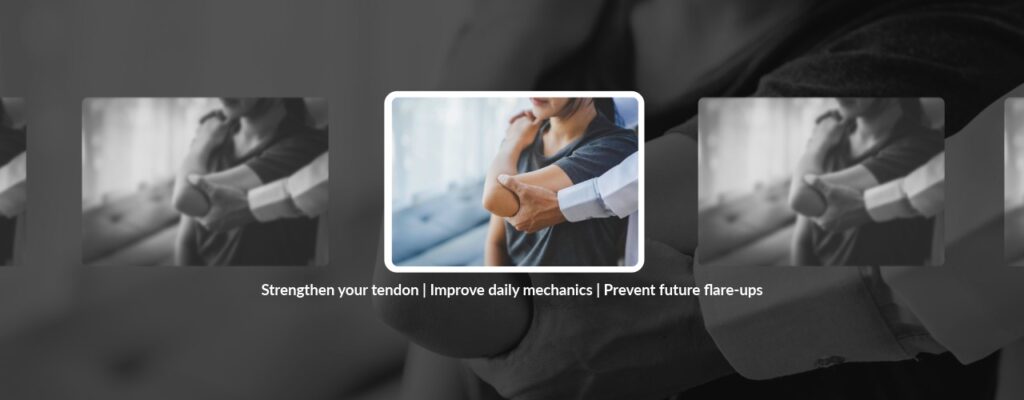
Tennis elbow is a form of tendon irritation on the outside of the elbow. It often develops from repeated gripping, lifting, or twisting movements. Adults who work at computers, lift tools, or perform repetitive hand motions may notice sharp pain, burning, or weakness that affects everyday tasks. Many try quick fixes that only provide temporary comfort. Understanding what truly helps guides successful tennis elbow treatment and prevents lingering pain.
Tennis Elbow Treatment Myths vs.
Read full blogThe Importance of Rehab After Rotator Cuff Surgery
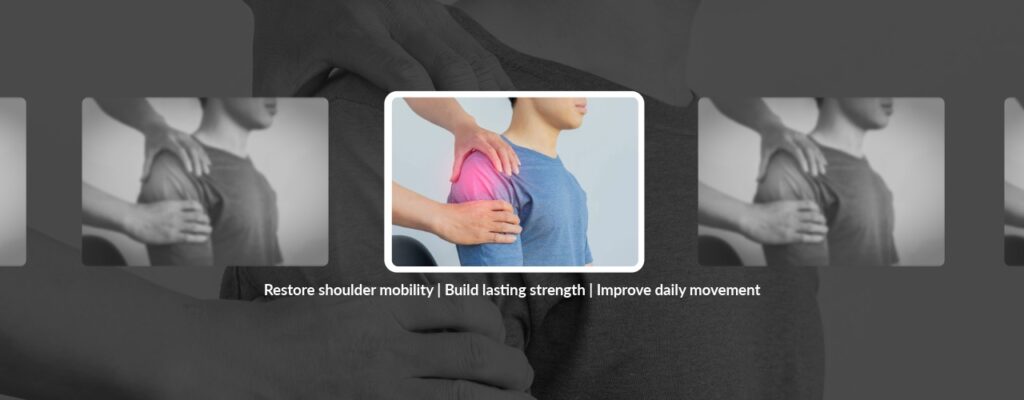
Rotator cuff surgery repairs torn tissues in the shoulder, but the procedure is only the beginning of recovery. The surrounding muscles, tendons, and joints must relearn how to move and support the shoulder safely. Without structured rehabilitation, stiffness, weakness, and poor movement patterns may slow progress. This is why rehab after rotator cuff surgery is essential for regaining comfortable, functional motion.
How Surgery Affects Shoulder Strength and Mobility
Before surgery, many adults adjust their movements to avoid pain.
Read full blog10 Causes of Knee Pain You Should Know About
Active adults often push their knees through long runs, quick pivots, heavy lifts, and challenging workouts. If you start experiencing discomfort in your knee, understanding different knee pain causes can help you get the care you need before that pain starts disrupting your training routines, work demands, and weekend sports.
That’s where the team at comes in. We can evaluate your symptoms and help you dig down to the root of your pain, then provide you with a comprehensive care plan to address it directly.
Read full blogHow to Recover from a Rotator Cuff Injury Without Surgery
The rotator cuff is a group of four muscles that help lift, rotate, and stabilize the shoulder. These muscles allow you to reach overhead, carry groceries, and perform countless daily tasks. When one of them becomes strained or irritated, pain can limit even the smallest movements. Adults may notice difficulty sleeping, lifting a cup of coffee, or reaching behind their back. Many believe surgery is the only answer, but most cases improve with a structured physical therapy plan.
Read full blogFast and Effective Pain Relief for Shin Splints
Active adults often push their legs through intense workouts, long runs, and fast directional changes. Many athletes seek shin splint pain relief when a sharp or nagging ache begins along the front of the lower leg. That pain can interrupt training cycles, slow progress, and disrupt daily routines. This guide gives you clear steps to manage symptoms quickly and explains how chiropractic care and physical therapy at can help you feel and move better.