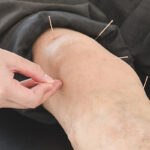


Case Study: Overcoming Tendonitis
Through Physical Therapy
Introduction: Tendonitis, a condition characterized by inflammation and irritation of tendons, can significantly impact one’s daily life. This case study follows the journey of Mark, a 45-year-old individual diagnosed with Achilles tendonitis, as he sought relief and recovery through physical therapy.
Patient Profile:
Name: Mark
Age: 45
Occupation: Sales Manager
Diagnosis: Achilles Tendonitis
Lifestyle: Active, enjoys running and outdoor activities
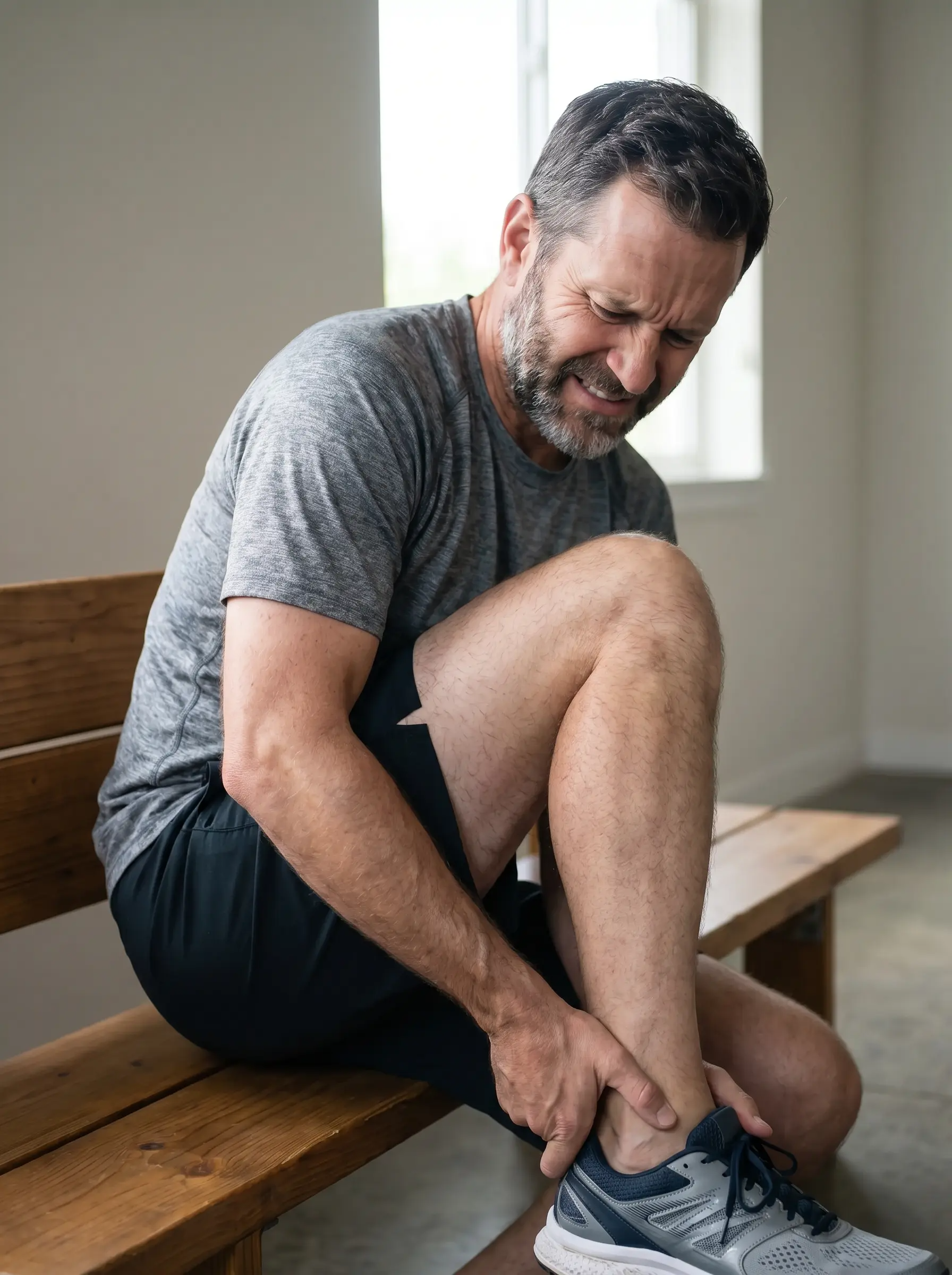
Initial Presentation: Mark presented with complaints of persistent pain and discomfort in his right Achilles tendon. He reported a gradual onset of symptoms over the past few months, primarily affecting his ability to engage in his favorite activities, such as running and hiking. His pain worsened during physical activities and after prolonged periods of sitting at his desk.
THE REHABILITY NJ CARE TO SHARE PROMOTION!
Enter for a chance to win a $100 Amazon Gift Card for referring a family member or friend! We will enter your name into the drawing for each referral throughout the season. We look forward to helping you achieve your health goals throughout the year and we thank you for your continued loyalty and trust in our services!
Physical Therapy Evaluation:
Assessment of Symptoms:
- Mark described his pain as a dull ache with occasional sharp, stabbing sensations in the back of his right heel and calf.
- He reported morning stiffness and difficulty initiating movement in his ankle.
- His pain was aggravated during activities such as running, stair climbing, and prolonged standing.
- He had no history of trauma or specific injury to the Achilles tendon.
Physical Examination:
- Gait analysis revealed a noticeable limp, favoring the non-painful leg.
- Palpation of the Achilles tendon indicated localized tenderness and swelling.
- Range of motion assessment showed reduced ankle dorsiflexion and calf muscle tightness.
- Strength testing demonstrated mild weakness in the calf muscles.
- Observation of Mark’s running form revealed biomechanical abnormalities contributing to the condition.
Diagnosis:
Based on the clinical evaluation and patient history, Mark was diagnosed with Achilles tendonitis. The primary contributing factors were overuse, altered biomechanics, and reduced ankle flexibility.
Treatment Approach:
Mark’s treatment plan was developed by his therapy team at REHABILITY NJ and tailored to address his specific needs and lifestyle. The step-by-step approach to his recovery included:
- Pain Management: To alleviate initial pain and inflammation, Mark was introduced to rehab modalities such as manual therapy techniques to reduce localized swelling, as well as Class IV Laser therapy to accelerate the healing process while reducing pain.
- Range of Motion Exercises: Mark was prescribed a series of stretching exercises to improve ankle dorsiflexion and reduce calf muscle tightness. He performed these exercises daily.
- Strengthening Exercises: A progressive strength training program was initiated to address calf muscle weakness. Exercises included calf raises, eccentric heel drops and other single-leg strengthening exercises like step downs and STAR reaches.
- Biomechanical Analysis: Mark’s running gait was assessed to identify and address faulty biomechanics contributing to his condition. He received guidance on proper running form and footwear selection.
- Activity Modification: Mark temporarily reduced high-impact activities like running and hiking to allow his tendon to heal. But he was encouraged to remain active and do low-impact exercises such as pain-free walking and cycling were encouraged.
- Gradual Return to Activity: As Mark’s symptoms improved, he was guided through a gradual return to his desired activities. His physical therapist monitored his progress closely.
- Home Exercise Program: Mark was provided with a personalized home exercise program, including stretching and strengthening exercises. He was encouraged to maintain a routine for ongoing prevention.
- Education: Mark received comprehensive education on Achilles tendonitis, including its causes and contributing factors. He learned about the importance of proper footwear, load management, and the role of biomechanics in his condition.
Follow-Up and Outcome:
Over several weeks of diligent adherence to his treatment plan, Mark experienced significant improvements. His pain diminished, and he regained ankle flexibility and strength. Mark’s running form improved, and he could return to his favorite activities gradually.
Regular follow-up appointments at REHABILITY NJ allowed for ongoing monitoring and adjustments to his treatment plan as needed. Mark learned to manage his condition effectively, recognizing the importance of continuing self-care and early intervention should any symptoms reoccur.
Conclusion:
Mark’s case illustrates the effectiveness of physical therapy at REHABILITY NJ in managing and resolving Achilles tendonitis. Through a comprehensive evaluation and a tailored treatment plan addressing both the physical and biomechanical aspects of his condition, he was able to regain his active lifestyle and enjoy pain-free mobility once again.
His success is a testament to the importance of early intervention, education, and proactive self-care in overcoming tendonitis!
Game, Set, Match: Returning to Sports After Tennis Elbow
Recovering from tennis elbow requires patience and a strategic plan, especially when it comes to resuming sports. Here’s a roadmap to guide your comeback:
Phase 1
Before jumping back into your sport, ensure you’ve addressed the underlying issues with our physical therapists. This means:
- Go to Pain – Not Through Pain: You should have minimal to no pain during daily activities and prescribed therapeutic strengthening exercises. Your therapist will guide you on how to identify what is safe and what is not.
- Full Range of Motion: Regain full mobility in your elbow and wrist joints, and forearm muscles.
- Strength: Your grip strength and forearm muscle endurance should be sufficient for basic functional tasks.
Phase 2
Start with activities that don’t increase your pain while doing them or place excessive stress on your elbow or forearm muscles. Your therapist will give clear guidance on how to gradually increase the intensity and duration as your tolerance improves.
- Sport-specific Drills: Introduce light drills that mimic movements from your sport but at a lower intensity and volume. For tennis, this might involve practicing your swing without a ball or hitting soft groundstrokes.
- Listen to Your Body: Pay attention to any pain or discomfort that increases while doing the activity. If your elbow starts to ache and continues to intensify, stop the activity and contact (Practice Name) for the next steps.
Phase 3
As your elbow adapts, gradually increase the intensity and duration of your sports activities.
- Increase resistance
- Increase repetitions and sets
- Practice with game-like intensity

Game On!
Once you can perform at game-like intensity without pain, you’re ready to return to full participation. Returning to sports after tennis elbow requires a gradual and patient approach. We’ll create a personalized program so you can safely and successfully get back in the game.
Exercise of the Month
SHOULDER SHRUGS
- Stand tall with your arms at your sides, holding a dumbbell in each hand (optional).
- Slowly lift your shoulders up toward your ears in a shrugging motion.
- Hold briefly at the top, then lower your shoulders back down with control.
- 3 Sets, 10 Reps. (Materials needed: optional dumbbells)
Experience Advanced Healing with Class IV Laser Therapy at Rehability NJ
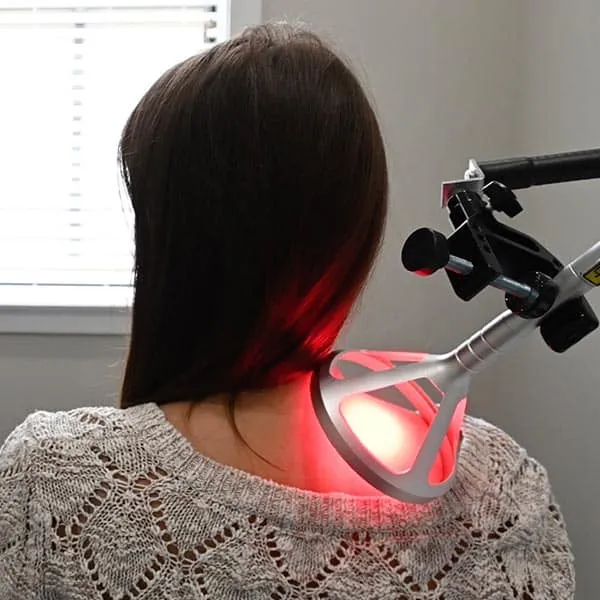
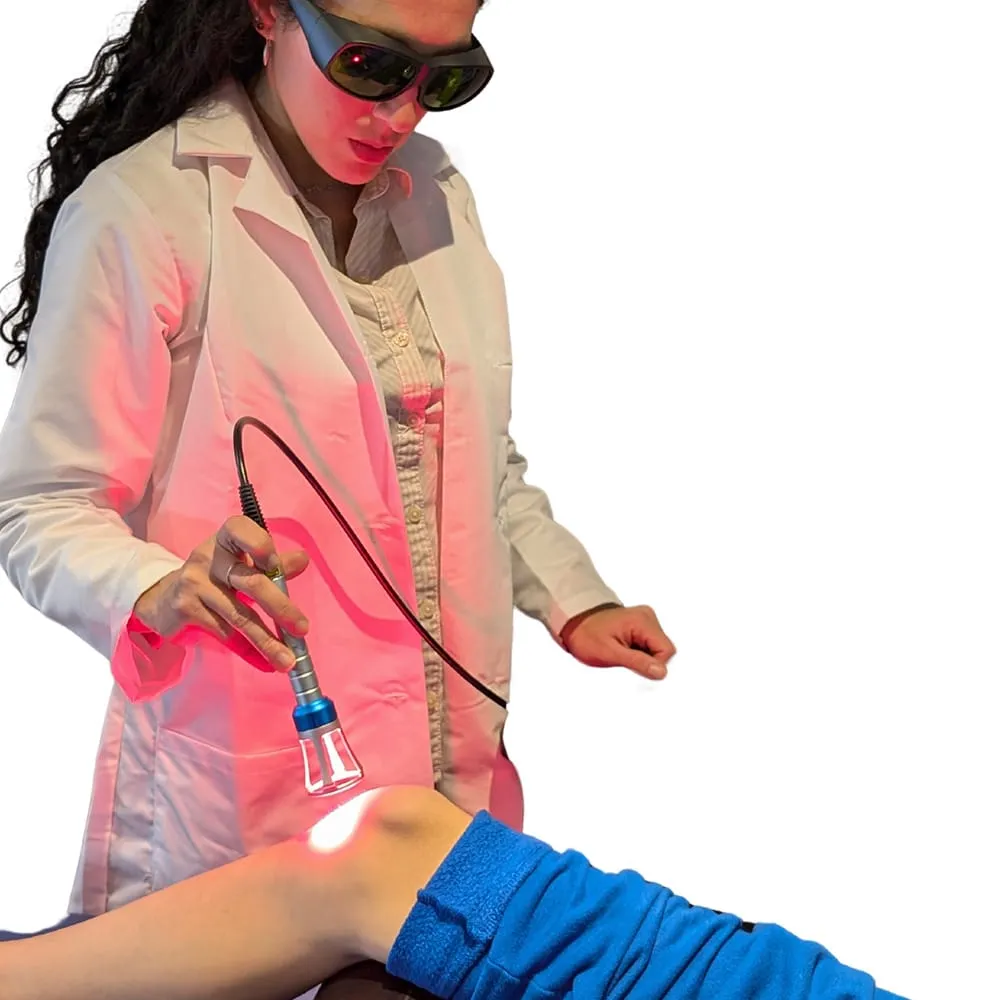
Are you looking for a safe, effective, and non-invasive way to accelerate your healing and reduce pain? We are thrilled to introduce our industry-leading QUAD-wavelength Class IV Laser Therapy system at Rehability NJ!
What is Class IV Laser Therapy?
Our advanced Class IV laser system utilizes high-intensity 30W light energy to target multiple tissue depths—from your skin down to deep joints. This focused energy penetrates significantly deeper than older “cold lasers,” offering broader therapeutic benefits. It works by increasing blood flow, boosting cellular metabolism, and accelerating tissue repair, which leads to reduced pain, swelling, and inflammation.
What to Expect
Class IV Laser Therapy is completely painless and requires no downtime. Treatments are fast, typically lasting just 5 to 15 minutes depending on the area. During the session, you will generally feel a mild, soothing warming sensation. While many patients experience rapid relief after just a few sessions, cumulative treatments often provide the most optimal, long-lasting results.
Safe, Effective, and Integrative
FDA-cleared and administered by our trained professionals, this therapy is a fantastic option for a wide range of conditions. We carefully assess each individual case to ensure you are a great candidate. Plus, Class IV Laser Therapy can be seamlessly integrated with other treatments, such as physical therapy and chiropractic care, to maximize your results and minimize recovery time.
Schedule a Laser Therapy consultation today to learn more about the positive effects and benefits of this amazing therapeutic technology!
Frequently Asked Questions
Is Class IV Laser Therapy safe?
Yes, it is FDA-cleared and completely safe when administered by trained professionals. Our team carefully assesses your medical history to ensure all safety considerations are in place.
How many treatments will I need?
The number of sessions varies based on your condition and response to therapy. Some patients feel relief quickly, while chronic issues may require ongoing treatment. We also offer special package pricing for multiple treatments.
Is it covered by insurance?
In most cases, it is not covered by insurance. However, we provide special package pricing to make this advanced therapy accessible.

You Could Be Our Next Success Story!
“This place is great. One stop shop. Chiro, PT, acupuncture and sports medicine doctor. Dr. Chickara is wonderful. So knowledgeable and gives a great adjustment. The PT team is amazing. My daughter has had hip pain and no one was able to help her. She started seeing Nick and he has helped her tremendously. The entire staff are so nice. Karolyn always greets you with a smile and is so helpful with scheduling appointments and insurance issues.” -T.S.


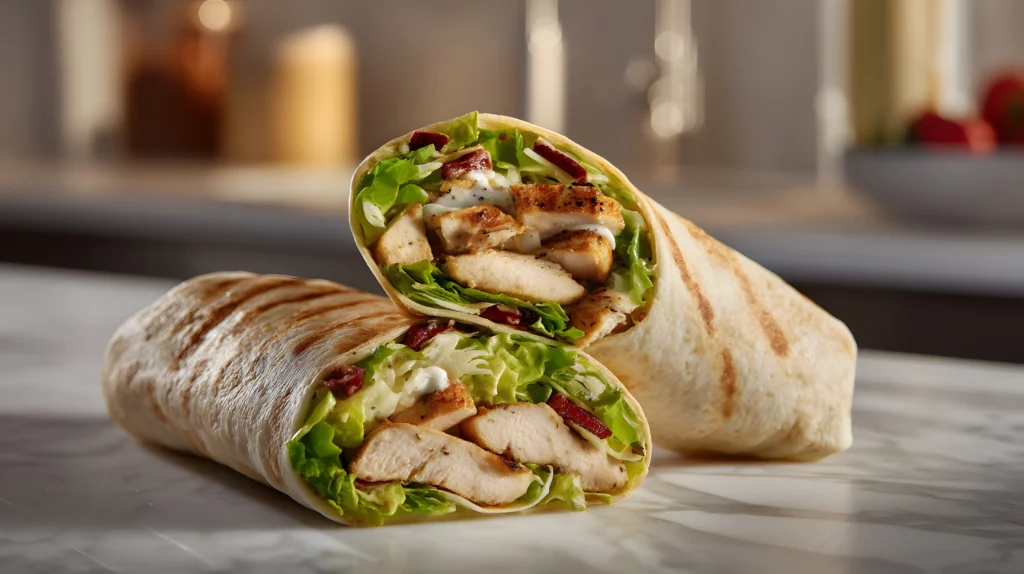
Recipe of the Month: Chicken Caesar Wrap
Ingredients:
For the Toasty Panko Croutons
- ½ cup panko bread crumbs
- 2 tablespoons olive oil
- 1 tablespoon butter
- ½ teaspoon kosher salt
- ½ teaspoon freshly cracked black pepper
Tahini Caesar Dressing
- ⅓ cup tahini
- 3 tablespoons fresh lemon juice
- 1 tablespoon olive oil
- 3 cloves garlic roughly chopped
- 2 tablespoons water
- kosher salt
For the Wrap
- 1 bunch Tuscan kale ribs removed and shredded
- 1 whole romaine heart shredded
- 3 tablespoons Everything but the Bagel Seasoning
- 2 ripe avocados cut into large wedges
- 2 chicken breasts seasoned with salt and pepper and grilled
- 4 tortillas
Instructions:
- Place the olive oil and butter in a small skillet over medium high heat. Add the panko and toast until golden. Season with salt and pepper and set aside.
- Combine the ingredients for the Tahini Caesar Dressing in a small blender and set aside.
- Combine the shredded kale and lettuce in a large bowl. Drizzle a few tablespoons of the dressing along with the toasted panko, the everything seasoning and the chopped grilled chicken. Toss to combine. Taste and adjust seasoning and dressing.
- Place a heaping portion into 2 tortillas and wrap and roll. Slice on a diagonal and serve.