Active adults often push their legs through intense workouts, long runs, and fast directional changes. Many athletes seek shin splint pain relief when a sharp or nagging ache begins along the front of the lower leg. That pain can interrupt training cycles, slow progress, and disrupt daily routines. This guide gives you clear steps to manage symptoms quickly and explains how chiropractic care and physical therapy at REHABILITY NJ can help you feel and move better.
What Are Shin Splints?
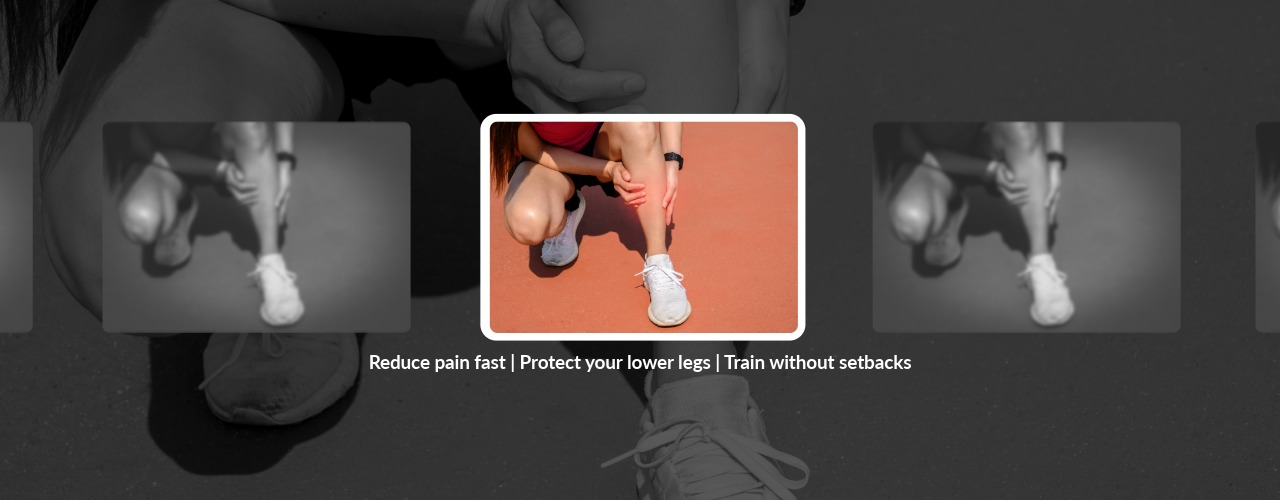
Shin splints occur when the tissues along the shin become irritated from repeated loading. Runners, lifters, dancers, and athletes in court sports often develop this condition after sudden increases in mileage, intensity, or training frequency.
The pain usually appears along the inner edge of the shin bone, and common symptoms include:
- Tenderness along the lower leg
- A dull ache during activity that can become sharp
- Stiffness when starting a run or workout
- Increased discomfort after high-impact training
Shin splints often develop when muscles and connective tissues struggle to absorb repeated force. Poor foot mechanics, worn-out shoes, tight calves, and weak hips can all contribute to increased stress through the lower leg. Chiropractors and physical therapists evaluate these factors to identify the root cause and guide a safe plan for shin splint pain relief.
7 Tips to Get Fast and Effective Shin Splint Pain Relief
You can take several simple and effective steps to reduce discomfort and protect your lower legs. These strategies support recovery while helping you maintain an active lifestyle.
1. Apply Ice Early
Ice can reduce pain and calm irritated tissues during the first 12 to 24 hours. Ice doesn’t reduce swelling, but it helps control discomfort, allowing you to move more comfortably. Place ice on the tender area for 15 to 20 minutes and repeat as needed.
2. Reduce High-Impact Training
Your body responds to repeated impact, and overloaded tissues signal stress through soreness. You can swap running or jumping for cycling, rowing, or strength work that avoids pounding on the lower legs. This keeps you active while promoting shin splint pain relief.
3. Improve Calf and Ankle Mobility
Tight calves can increase force through the shin. You can use gentle mobility exercises to improve the range of motion without aggravating your symptoms. Examples include:
- Controlled ankle circles
- Light calf stretching
- Soft-tissue massage with a foam roller
These movements support better mechanics during running and training.
4. Strengthen the Hips and Lower Legs
Weak hips cause the legs to absorb more impact with each step. A simple strengthening routine can support better shock absorption. Focus on exercises that help distribute force more evenly through the lower body, such as:
- Glute bridges
- Single-leg balance drills
- Toe raises
- Step-downs
5. Check Your Footwear
Old or worn-down shoes can force your shin muscles to work harder. You can evaluate your shoes for wear patterns and ensure that the support matches your training needs. Runners often benefit from replacing shoes every 300 to 500 miles.
6. Use Chiropractic Care to Support Alignment
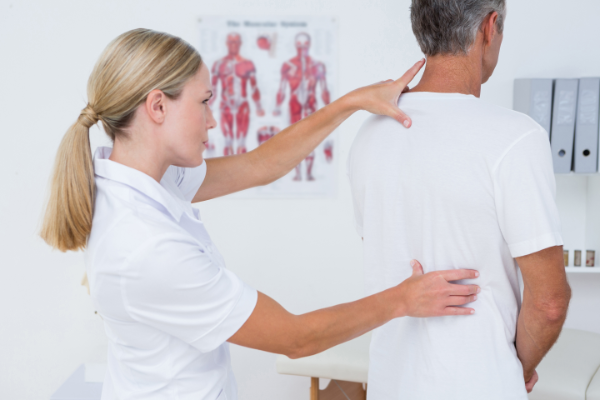
The chiropractors at REHABILITY NJ evaluate foot, ankle, knee, and hip alignment. They utilize adjustments and soft-tissue techniques to enhance mobility, alleviate stress on irritated tissues, and foster more efficient movement patterns. Chiropractic care can support your efforts toward shin splint pain relief by addressing mechanical issues that contribute to repeated strain.
7. Add Physical Therapy for Strength and Technique
Physical therapists offer targeted strengthening and movement training to restore balanced mechanics. They also evaluate gait, mobility, posture, and running technique, and design structured programs that improve strength and reduce the risk of reinjury. Even a brief plan can help reinforce the improvements achieved through chiropractic care and promote lasting relief from shin splint pain.
You Can Start Reducing Shin Splint Pain Today
Shin splints can interrupt your training, but they don’t have to stop your progress. You can use these steps to control discomfort and protect your lower legs during activity. If you want personalized guidance or need help identifying the exact cause of your symptoms, contact REHABILITY NJ to learn how chiropractic care and physical therapy can support your recovery and improve your performance.