

How Physical Therapy Tackles Hip Pain
You want to take care of some chores or go for a walk — but hip pain is keeping you on the couch. If this sounds familiar, know that you don’t have to suffer! At REHABILITY NJ, our physical therapists will guide you through a simple process to address your hip pain so you can get active again.
This newsletter will take you through that process, from understanding your symptoms to the outcomes you can expect from physical therapy. Still have questions? Call us to schedule an appointment!

Pinpoint Your Symptoms
There are several potential reasons why someone might develop hip pain. To treat your pain effectively, we need to pinpoint what that cause could be.
When you visit us for your initial appointment, one of the first things we’ll do is ask you to share your symptoms. “Hip pain” often causes a lot more than just pain, and being able to describe your pain, mobility limitations, and other concerns helps us get a clearer picture of your condition.
For example, you know that your hip hurts. But when do you experience pain (i.e., during activity)? Does your pain come and go? Where do you experience pain? Is it just in your hip, or do you feel it elsewhere? Is the pain a dull ache? Sharp and shooting?
Make sure to share additional symptoms you might be experiencing, too. Here are some common ones:
- Stiffness/limited range of motion in your hip
- Weakness throughout the lower extremities
- Mobility issues, including walking, going up or down stairs, or struggling to stand up
- Difficulty performing everyday tasks, such as putting on your shoes — and let us know which ones
Identify a Cause and Develop a Treatment Plan
Thanks to your detailed symptom description — as well as a health history and comprehensive physical exam — your therapist should be able to determine the underlying cause of your hip pain.
If you’re 55 or older, there’s a good chance your hip pain stems from osteoarthritis. This degenerative condition causes cartilage and bone tissue to break down, leading to pain and restricted mobility.
However, hip pain can also stem from an injury. If you’re an athlete or particularly active person, you may have suffered an acute injury, such as a labral tear, in which a ring of cartilage in the hip socket becomes damaged. You may have also sprained your hip — that is, damaged the ligaments that hold the joint together.
However, even if you haven’t had an obvious injury, an injury could still be to blame. Overuse injuries are injuries that develop gradually and, in the hip, generally affect the soft tissue — your muscles, tendons, and ligaments. They usually occur due to repetitive movements or improper biomechanics.
Your treatment plan will vary based on the underlying cause of your pain, but in most cases, we aim to…
- Help manage acute pain with manual therapy, modalities, or gentle stretches.
- Improve mobility and range of motion through targeted stretches and exercises.
- Build strength in the muscles surrounding the hip to support the joint.
- Restore your ability to perform everyday movements, such as going upstairs — and for the athletes, we’ll help restore your ability to perform sport-specific movements.
Understand Your Outcomes
As with treatments, your exact outcomes will vary based on the underlying cause. However, other factors can come into play, too, such as age, health status, and the amount of time you can spend with physical therapy (whether in the clinic or performing home exercise programs).
For example, osteoarthritis has no cure, but you can manage your symptoms with regular physical activity. If you stick with your prescribed exercise program, you can minimize pain, slow the progression of your condition, and delay or even avoid surgery.
If you suffered an injury, you likely will be able to resolve your hip pain, usually within 1-3 months. However, if your injury was severe, full rehabilitation — the point at which you’ve fully restored strength and function — may take longer. Continuing any prescribed exercises is important even if you no longer feel pain.

Start Your Own Journey to Hip Pain Relief Today
No matter the reason for your hip pain, the physical therapists at REHABILITY NJ will guide you toward lasting relief. Call us today to schedule an appointment to get started!
What’s A HEP — And Why Is It So Important to Your Success?
HEP stands for “home exercise program.” If you’re undergoing physical therapy with REHABILITY NJ, there’s a good chance your therapist will prescribe one to you.
It’s important to note that a HEP isn’t the same as an at-home workout program. With an at-home workout, your goal is general fitness. A HEP consists of curated exercises to help you achieve your rehabilitation goals.
We understand that an exercise routine can sometimes be difficult to work into a busy lifestyle. Therefore, we design our HEPs to be as straightforward as possible, with…
- Exercises you’ve done before
- A small time commitment
- Strategies for managing pain, if needed
However, we also want to make sure you understand why we prescribe a HEP at all! In fact, a HEP has multiple benefits:
- It improves outcomes: Patients who complete their prescribed HEP experience faster and more effective rehabilitation.
- It improves muscle memory: This means movements will become easier, and you’ll be able to more easily incorporate additional exercises during your in-clinic sessions.
- It helps develop a good habit: Even after you recover, regular physical activity is essential for good health. By completing your HEP, you get into the habit of moving daily.
In short, a HEP is a small way to make big changes! And if you think you might benefit from a personalized HEP, call us to schedule a consultation.

Experience Advanced Healing with Class IV Laser Therapy at Rehability NJ
Are you looking for a safe, effective, and non-invasive way to accelerate your healing and reduce pain? We are thrilled to introduce our industry-leading QUAD-wavelength Class IV Laser Therapy system at Rehability NJ!
What is Class IV Laser Therapy?
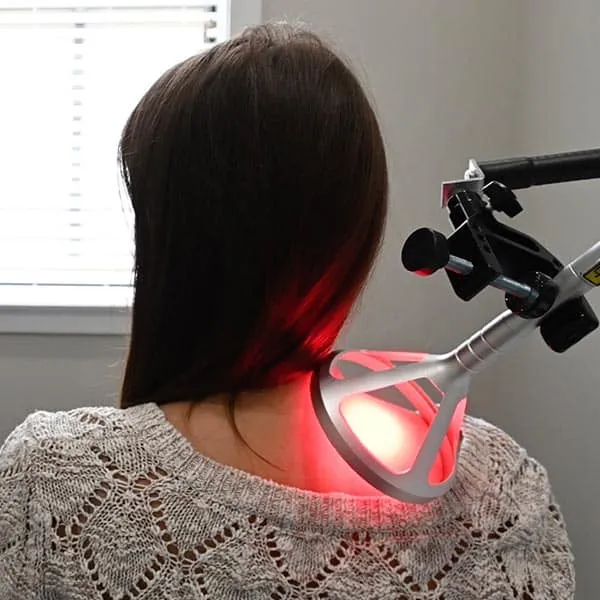
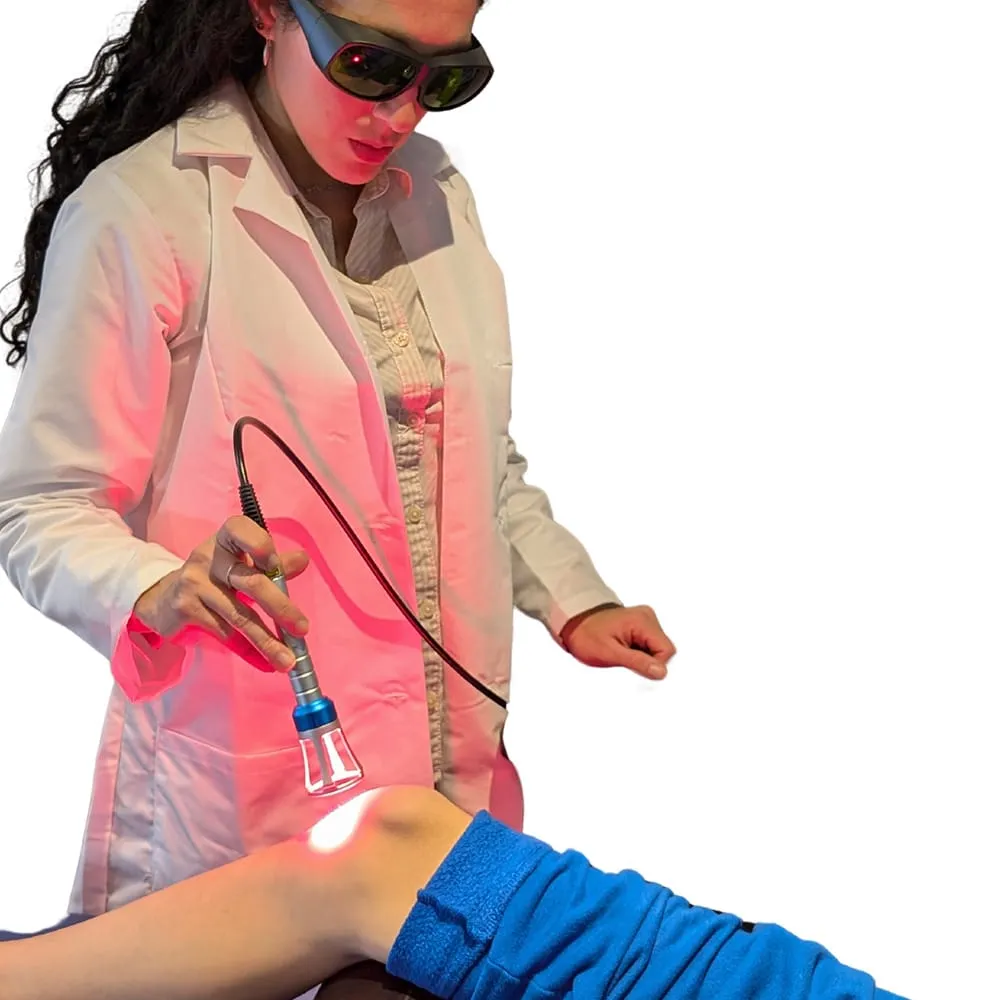
Our advanced Class IV laser system utilizes high-intensity 30W light energy to target multiple tissue depths—from your skin down to deep joints. This focused energy penetrates significantly deeper than older “cold lasers,” offering broader therapeutic benefits. It works by increasing blood flow, boosting cellular metabolism, and accelerating tissue repair, which leads to reduced pain, swelling, and inflammation.
What to Expect
Class IV Laser Therapy is completely painless and requires no downtime. Treatments are fast, typically lasting just 5 to 15 minutes depending on the area. During the session, you will generally feel a mild, soothing warming sensation. While many patients experience rapid relief after just a few sessions, cumulative treatments often provide the most optimal, long-lasting results.
Safe, Effective, and Integrative
FDA-cleared and administered by our trained professionals, this therapy is a fantastic option for a wide range of conditions. We carefully assess each individual case to ensure you are a great candidate. Plus, Class IV Laser Therapy can be seamlessly integrated with other treatments, such as physical therapy and chiropractic care, to maximize your results and minimize recovery time.
Schedule a Laser Therapy consultation today to learn more about the positive effects and benefits of this amazing therapeutic technology!
Frequently Asked Questions
Is Class IV Laser Therapy safe?
Yes, it is FDA-cleared and completely safe when administered by trained professionals. Our team carefully assesses your medical history to ensure all safety considerations are in place.
How many treatments will I need?
The number of sessions varies based on your condition and response to therapy. Some patients feel relief quickly, while chronic issues may require ongoing treatment. We also offer special package pricing for multiple treatments.
Is it covered by insurance?
In most cases, it is not covered by insurance. However, we provide special package pricing to make this advanced therapy accessible.
🎉 Care to Share & Win!
Referral Giveaway

Refer a friend or family member and get entered to win a
$100 Amazon Gift Card!
One entry per referral—the more you share, the better your chances.
Exercise of the Month
Side Lying Hip Abduction
Begin by lying on your side with your head supported by a pillow, hips stacked, and your bottom knee bent at 45 degrees to provide a stable base. Bracing your abdominals, slowly lift your top leg, keeping your foot parallel to the ground. Hold as instructed, then slowly lower your leg back to the floor.
3 Sets, 10 Reps
Materials needed: pillow
Patient Success
“Everyone there is so caring and compassionate! They are very professional and knowledgeable about all aspects of physical therapy. They make great suggestions and are very helpful. I highly recommend them!” -Matthew M.






Anti-Inflammatory Quinoa Salad
Nutrition plays a key role in managing inflammation. Try this delicious recipe packed with anti-inflammatory ingredients!
Ingredients
- 1 cup dry quinoa, rinsed
- 2 cups water or vegetable broth
- 1 cup cherry tomatoes, halved
- 1 cucumber, diced
- 1/4 cup red onion, finely chopped
- 1/4 cup fresh parsley, chopped
- 1/4 cup olive oil
- 2 tbsp fresh lemon juice
- 1 tsp turmeric
- Salt and black pepper to taste
Instructions
- Bring water or broth to a boil. Add quinoa, reduce heat, cover, and simmer for 15 minutes.
- Remove from heat, let sit covered for 5 minutes. Fluff and cool.
- Combine quinoa, tomatoes, cucumber, onion, and parsley.
- Whisk olive oil, lemon juice, turmeric, salt, and pepper.
- Toss, chill for 30 minutes, and serve.