The rotator cuff is a group of four muscles that help lift, rotate, and stabilize the shoulder. These muscles allow you to reach overhead, carry groceries, and perform countless daily tasks. When one of them becomes strained or irritated, pain can limit even the smallest movements. Adults may notice difficulty sleeping, lifting a cup of coffee, or reaching behind their back. Many believe surgery is the only answer, but most cases improve with a structured physical therapy plan. Understanding the healing process helps you make informed decisions about your rotator cuff injury recovery.
How Rotator Cuff Injuries Develop in the First Place
Rotator cuff injuries often result from overuse, repetitive lifting, sudden strain, or gradual wear related to posture. The shoulder relies on balance between mobility and stability. When muscles around the shoulder blade become weak or tight, the rotator cuff absorbs excess stress. Over time, this leads to inflammation, small tears, or tendon irritation. Physical therapy helps correct these imbalances so the shoulder can move smoothly without constant strain.
Why Physical Therapy Supports Rotator Cuff Injury Recovery
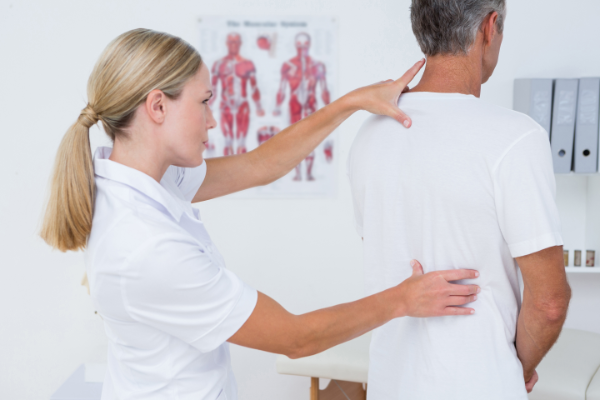
The rotator cuff requires coordinated movement, strong stabilizing muscles, and healthy joint mechanics. Physical therapy restores these elements step by step. Instead of focusing only on the injured tendon, therapy addresses the entire shoulder complex, including the shoulder blade, upper back, and posture. This whole-body approach enhances strength, mobility, and movement control, resulting in lasting relief without the need for surgery.
Rebuilding Strength Without Stressing the Injury
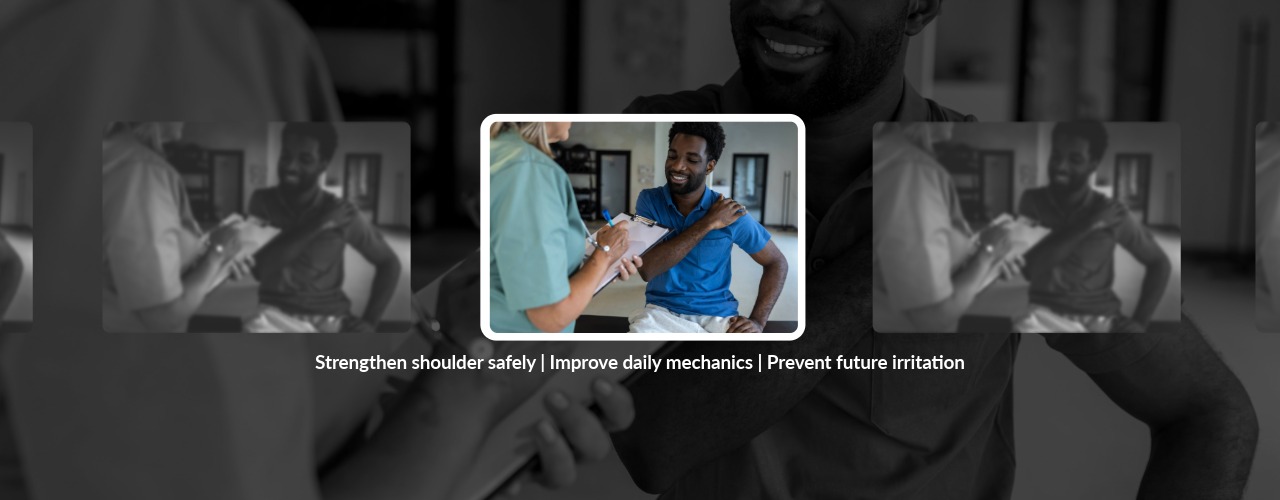
During the early stages of rotator cuff injury recovery, the goal is to calm inflammation and protect irritated tissues. Physical therapists use gentle techniques such as soft tissue work, joint mobilization, and controlled range-of-motion exercises. These steps improve circulation and reduce pain while preventing stiffness. Once the shoulder moves comfortably, therapists introduce strengthening exercises for the rotator cuff and surrounding muscles. These movements are carefully selected to avoid overloading the healing tendon while rebuilding stability.
Improving Shoulder Blade Control for Better Mechanics
The shoulder blade acts as a foundation for the rotator cuff. If it moves poorly, the rotator cuff must work harder with every lift or reach. Physical therapists teach exercises that improve shoulder blade coordination, such as rows, scapular squeezes, or controlled upward rotation. This training helps distribute movement across the entire shoulder complex, reducing stress on the injured tendon and improving long-term function.
Restoring Mobility to Reduce Pain and Stiffness
Tightness in the chest, upper back, or back of the shoulder can pull the joint out of alignment. This tightness increases strain on the rotator cuff during activity. Physical therapy includes stretches and mobility drills that gently lengthen these tissues. Improved flexibility allows the shoulder to move more smoothly, decreasing the risk of future irritation.
Correcting Posture to Protect the Shoulder
Posture plays a major role in shoulder health. Rounded shoulders and forward head position reduce space in the shoulder joint, making it easier for the rotator cuff to become irritated. Therapists teach posture correction strategies that include strengthening weak muscles and adjusting workspace setup. Better posture reduces daily stress on the shoulder and supports healing during rotator cuff injury recovery.
Training Functional Movements for Daily Confidence
Once pain decreases and strength improves, physical therapists help adults return to normal activities safely. This stage focuses on lifting, reaching, carrying, and overhead tasks. Functional training teaches the body how to move efficiently so the rotator cuff does not get overloaded again. These exercises prepare adults for both work and recreation without fear of reinjury.
How to Know if You Are Healing Well
Signs of successful recovery include smoother movement, less pain during daily tasks, improved sleep, and increased shoulder strength. Most adults notice steady progress within several weeks of consistent physical therapy. Full recovery depends on the severity of the injury, but many regain comfortable function without surgery.
Your Recovery Starts with the Right Guidance at REHABILITY NJ
At REHABILITY NJ, physical therapists create individualized plans that guide you through each stage of rotator cuff injury recovery. We focus on reducing pain, restoring strength, and improving shoulder mechanics so you can return to the activities you enjoy. When appropriate, our team collaborates with chiropractors to support upper back and neck mobility. Contact REHABILITY NJ today to begin your natural, effective path to a stronger shoulder.