

The Difference between Back Pain and Sciatica
Have you been told your persistent lower back pain is really sciatica? Far too often, these two terms are used interchangeably, but specific signs and symptoms can clarify which condition you’re dealing with. Either way, the integrated team at REHABILITY NJ, can set you on the right path to pain relief and healing.
Back pain and sciatica can be confusing and even intimidating, especially when you’re not sure what’s causing your discomfort. Whether your symptoms developed from a car accident, lifting something heavy, or seemingly out of nowhere, both back pain and sciatica seem to have similar causes and even share some symptoms. That’s where physical therapy, chiropractic care, and acupuncture can all help. Our multidisciplinary team will create a customized treatment program to reduce pain, improve mobility, and most importantly, address the underlying issues to prevent future discomfort.
THE REHABILITY NJ CARE TO SHARE PROMOTION!
Enter for a chance to win a $100 Amazon Gift Card for referring a family member or friend! We will enter your name into the drawing for each referral throughout the season. We look forward to helping you achieve your health goals throughout the year and we thank you for your continued loyalty and trust in our services!
Understanding the Difference between Back Pain and Sciatica
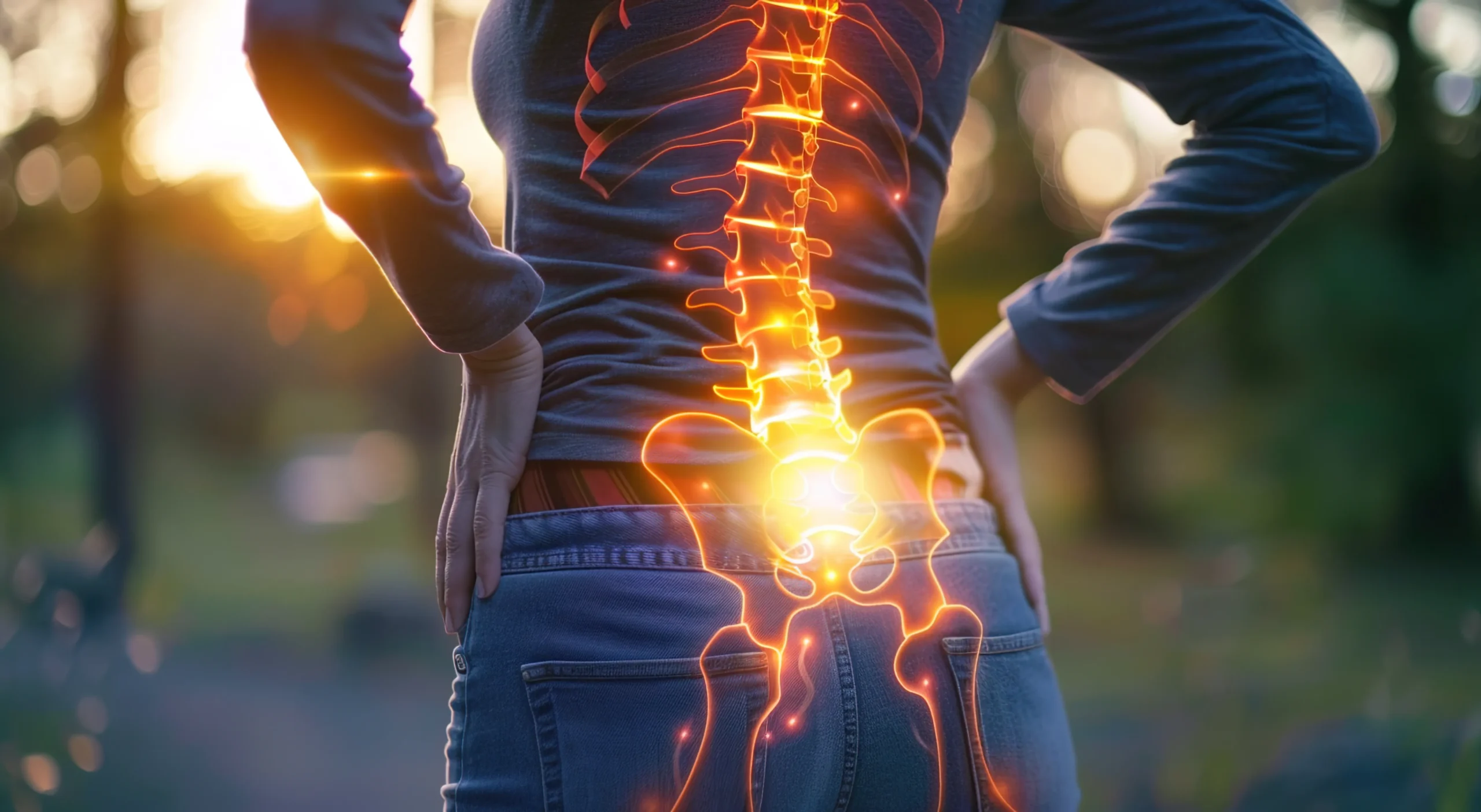
While back pain and sciatica are sometimes used interchangeably, they’re not the same. Lower back pain is generally localized and affects the lumbar region of the spine–the area between the bottom of your rib cages and the top of your pelvis.
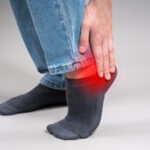
Sciatica, however, is more specific and involves pain that travels along the sciatic nerve. This nerve starts in the lower back and runs through the hips and buttocks down to each leg. The pain you feel could be shooting, burning, or tingling, and it usually affects just one side of your body. With “true” sciatica, nerve symptoms must be felt in the leg (specifically below the knee).
Common Causes of Back Pain and Sciatica
- Lower Back Pain: Causes of lower back pain are vast, but the most common factors include muscle strain, herniated discs, degenerative disc disease, spinal arthritis, or any combination of these, often considered “mechanical” low back pain.
- Sciatica: Sciatica is most commonly caused by a herniated disc that irritates the sciatic nerve, a bone spur where the nerve exits the spine, or narrowing of the spine (spinal stenosis) compressing part of the nerve.
Classic Symptoms of Back Pain and Sciatica
- Lower Back Pain: May include stiffness, muscle spasms, and difficulty in moving, ranging from mild to severe.
- Sciatica: Must consist of symptoms along the nerve root in the leg and typically include numbness, tingling, or muscle weakness in the affected leg or foot, in addition to pain, which can start in the buttock.
It’s crucial to know the difference between the two because the treatment approaches can differ. For example, sciatica might require attention to nerve compression issues, while lower back pain could be more muscle and joint related.
So, if you’re tired of enduring persistent pain, take action and call to schedule an appointment with our team. Let us help you understand your condition and guide you toward effective relief to restore your functional potential.
Our Approach to Assessment and Treatment at REHABILITY NJ
Whether you come to our office with lower back pain or sciatica, our team will perform a thorough physical examination and medical history to determine the most proper treatment solutions based on the findings.
- Soft Tissue Therapies: We incorporate soft tissue techniques including myofascial release, trigger point releases, and other massaging methods to help reduce pain and allow for improved mobility and function.
- Targeted Stretches and Exercises: Our conditioning programs include mobility and strength exercises, proper posture activities and nerve mobilization techniques. We’ll tailor your individual plan and monitor your progress, based on your specific needs.
- Spinal Adjustments: Chiropractic manipulation and joint mobilizations to relieve spinal pressure and improve nerve function, while correcting any misalignments that may be contributing to your pain or weakness.
- Traction Therapies: Advanced mechanical traction techniques performed on specialized tables, which are programmed to alleviate pressure on the spine and spinal nerves, while gently stretching the lower back.
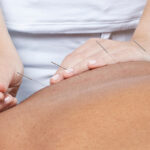
- Acupuncture Therapy: A natural, preferred alternative for treating pain, reducing inflammation, and accelerating recovery time. Techniques involve inserting thin, sterile needles into key points of the body to stimulate the healing response.
- Education: Understanding the symptoms you are experiencing and how to manage them can help you be proactive in finding a solution. Knowledge of your condition and how to treat it most effectively is the key to an optimal recovery. We’ll make sure you have the information you need to be successful.
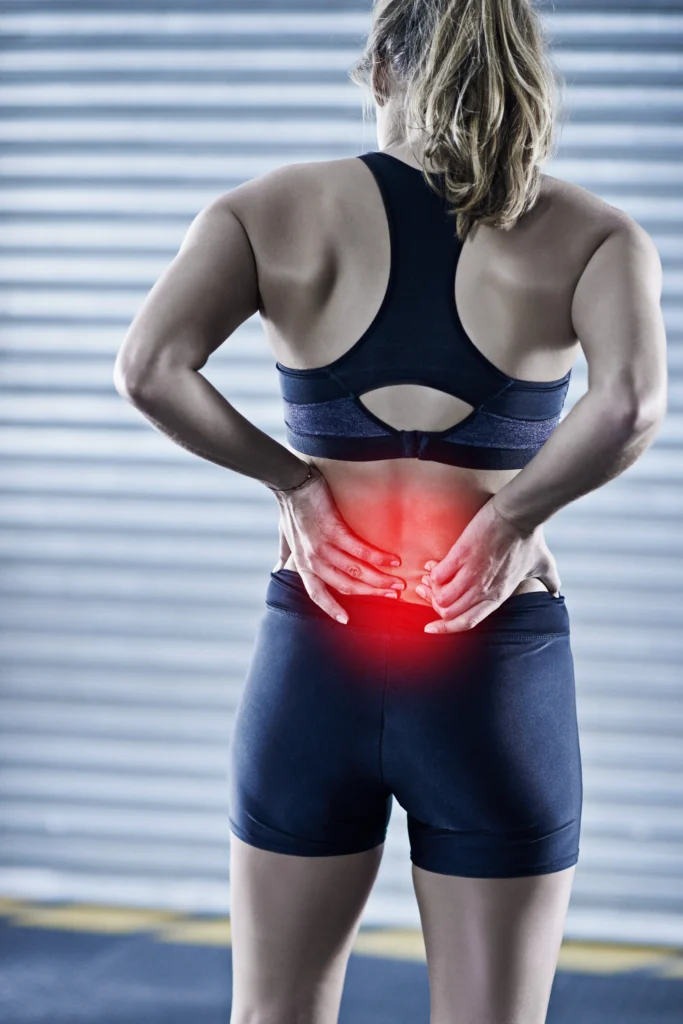
Your well-being is our top priority. At REHABILITY NJ, we offer a proven approach to both back pain and sciatica. Call today to get started with your personalized treatment plan!
Book an Appointment at REHABILITY NJ Today!
Your well-being is our top priority. At REHABILITY NJ, we offer a proven approach to back pain and sciatica. Don’t let pain hold you back any longer. Call today and take the first step toward a pain-free life.
HOW TO TAKE CARE OF YOUR BACK!
- Keep a Good Posture: When you are standing, imagine a string through the top of your head lifting you straight up. This puts your neck, shoulders, spine and hips in natural alignment. With sitting, make sure you sit back in the chair with your feet on the floor and your lower back supported. Your shoulders should not slouch when sitting. Avoid soft couches and recliners when you can.
- Lift Properly: Picking things up is a normal part of our day. Even if you pick up something light, your back muscles have to lift the weight of your upper torso and control that movement. Make sure you always face what you need to pick up, squat keeping your spine straight and push with your leg muscles. This helps to reduce the excessive pressure on your spine.
- Stay Flexible: Flexibility is key to maintaining a healthy back. By keeping your body flexible, the normal forces of movement and lifting can be distributed across the spine, rather than focused onto a few segments, which can then fail. An easy stretching routine everyday can keep you feeling great and put a spring in your step.
- Stay Strong: You have hundreds of muscles that control the movement of your spine. Major muscles that support the spine are called your core muscles and include your abdominal, pelvis, spinal and hip muscles. By keeping the core muscles strong, you support your spine and have the ability to better control lifting, quick movements, bending and a lot more.




Recipe of the Month: Classic Lasagna
Ingredients:
- 12 lasagna noodles: oven-ready or no-cook noodles
- Optional garnish: sprinkle with fresh basil or Italian parsley.
- 1 tablespoon olive oil
- 1 onion, diced
- 4 garlic cloves, minced
- 1/2 pound ground beef
- 1/2 pound ground pork
- 1 teaspoon salt
- 1/2 teaspoon black pepper
- 1 teaspoon dried oregano
- 1 teaspoon dried sage (or Italian seasoning)
- 1/2 teaspoon ground fennel (or 1 teaspoon fennel seeds)
- 1/2 teaspoon smoked paprika
- 1/4 teaspoon red pepper flakes (optional)
- 40 ounces marinara sauce (5 cups), divided.
- 1/4 cup broth
- 15 ounces ricotta cheese
- 1 egg
- 1/2 teaspoon salt
- 1/2 teaspoon nutmeg
- 1/2 teaspoon black pepper
- 3/4 cup grated parmesan cheese or pecorino cheese, divided
- 2 & 1/2 cups grated mozzarella cheese, divided
Directions:
- Set the oven to 350F
- Make the Italian Sausage: Saute onions in olive oil over medium heat in a large pan or skillet until softened, 4 minutes. Add garlic and stir in for a minute. Add ground beef, pork, salt, pepper, oregano, sage, fennel, smoked paprika and red pepper flakes (if using). Stir regularly, incorporating the spices into the meat for 7- 8 minutes until the meat browns.
- Meat Sauce: Add 3 cups of the marinara sauce and the broth to the browned meat. (Reserve two cups of plain marinara for the bottom and very top of the lasagna.) Cover, simmer five minutes and remove from heat. You’ll have 4 ½-5 cups of meat sauce.
- Cheese Filling: In a medium bowl, mix the ricotta, egg, salt, nutmeg and pepper. Add 1 & 1/2 cups of grated mozzarella and 1/2 cup of grated parmesan (we aren’t adding all of the cheese here-saving part of the cheese for the top) and stir until combined. Save the remaining cheese for the top of the lasagna.
- Assemble Lasagna: Spread one cup of the reserved marinara on the bottom of a greased 9 x 13 pan. Place 3 lasagna noodles on top of the sauce. Spread 1/3 of the ricotta cheese mixture evenly on the noodles, then spread 1 ½ cups of the meat sauce. Repeat this layering sequence 2 more times, pressing down lightly with each layer.
- For the top layer, place the last of the lasagna noodles, spread the remaining reserved marinara over the noodles, sprinkle with parmesan, and lastly, sprinkle with the mozzarella.
- Bake: Cover with parchment paper and aluminum foil, so the foil doesn’t touch the lasagna. Bake in the middle of the oven for 45 minutes or until bubbling. Uncover and bake for 15 more minutes until golden. Optional: Broil for 3-5 minutes until cheese gets bubbly and brown, keep a close eye!
- Let the lasagna rest for 15 minutes before slicing.

You could be our next success story!
“I felt compelled to express my deepest gratitude for the exceptional care and treatment that Doctor Chickara and physical therapists Jessie and Alexis provided me during one of the most difficult periods of my life. Severe back pain is practically gone. Thank you also to Karen and Karolyn for your kindness and sense of humor.” – She R.
“I cannot say enough good things about Dr. Chickara and his staff. They are all very professional and personable and are more like friends than health care providers. I strongly recommend them to anyone seeking a chiropractor, needing physical therapy, rehabilitation, or desiring acupuncture.” – Ed H.
“Everyone there is so caring and compassionate! They are very professional and knowledgeable about all aspects of physical therapy. They make great suggestions and are very helpful. I highly recommend them!” – Matthew M.