A hip replacement can reduce severe pain and improve quality of life, but the surgery itself is only part of the recovery process. The surrounding muscles, joints, and movement patterns still need guidance to work together again. Without structured support, stiffness, weakness, and poor mechanics can slow progress. This is why rehab after hip replacement is essential for long-term success. Below are common questions adults ask and the answers physical therapists provide.
Hip Replacement Rehab: What You Need to Know
What Does Physical Therapy Accomplish After Hip Replacement?
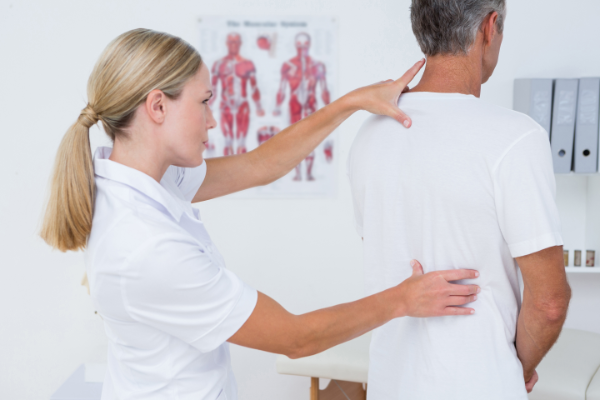
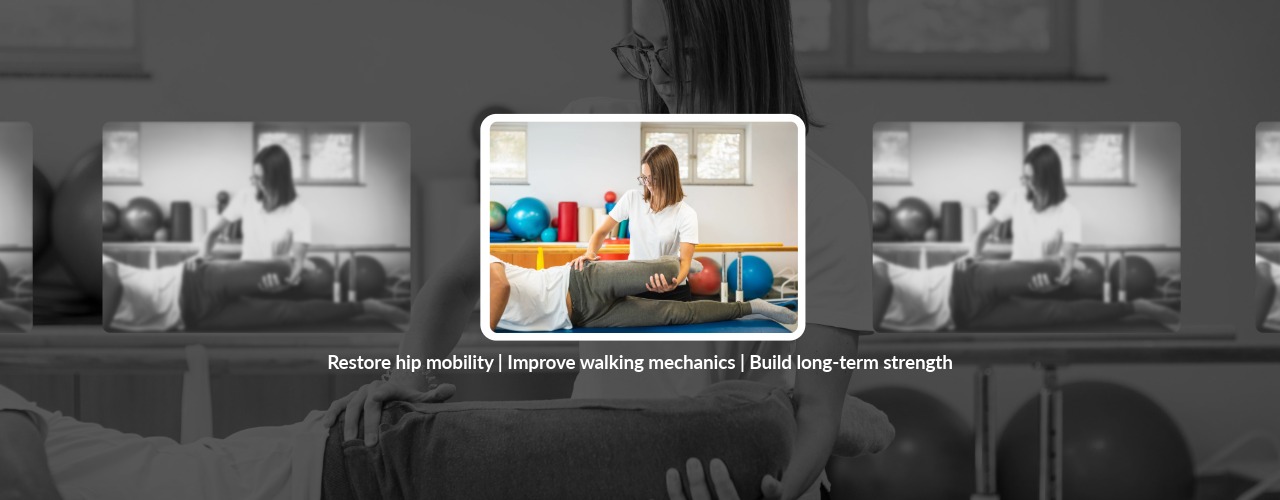
Physical therapy restores strength, flexibility, balance, and movement control after surgery. While the new joint provides stability, the muscles need training to support it. Therapists guide safe movements, teach proper walking mechanics, and help adults regain confidence in daily tasks. Therapy ensures the hip heals properly and prevents compensations that could lead to pain in the back, knee, or opposite hip.
When Should Rehab Begin?
Rehabilitation usually begins shortly after surgery, sometimes within the first day. Early movement helps prevent stiffness, reduce muscle loss, and support healthy circulation. The exercises start gently and progress as pain decreases and strength improves. Beginning early is one of the most important factors in achieving long-term mobility.
Why Does Walking Feel Different After Surgery?
Walking relies on coordinated hip, leg, and core muscle activity. Before surgery, adults often adjust the way they walk to avoid pain. These habits can continue afterward unless corrected. During rehab after hip replacement, therapists analyze walking patterns and teach healthier strategies. This helps prevent limping, uneven steps, and excess strain on other joints.
What Causes Stiffness After a Hip Replacement?
Stiffness occurs when tissues around the hip tighten after surgery or from long periods of limited movement. Scar tissue and swelling can also restrict motion. Physical therapists use stretches, gentle mobilization, and movement training to improve flexibility. Restoring motion early prevents long-term limitations that make daily tasks harder.
Why Is Strength Training Important?
Even with a new hip joint, the surrounding muscles need rebuilding. Before surgery, many adults lose strength due to pain and reduced activity. Weakness in the glutes, quadriceps, and core muscles affects stability and can delay recovery. Strength training during rehabilitation helps the hip handle daily tasks, maintain balance, and prevent future injuries. Targeted rehab after hip replacement exercises also improves walking endurance and helps adults return to hobbies or work more comfortably.
How Does Physical Therapy Improve Balance?
Hip replacement surgery affects the body’s sense of position and stability. Many adults feel unsteady at first, especially during turning or stepping. Physical therapists use balance training to help the brain and muscles work together again. Improving balance reduces the risk of falls and supports a smoother transition back to daily activity.
Can Poor Posture Affect Recovery?
Yes. Posture influences how the hip and surrounding muscles function. Leaning forward too much, shifting weight unevenly, or overloading the opposite leg can cause discomfort or delay progress. Therapists help adults recognize these patterns and teach simple corrections. Better posture improves comfort during standing, walking, and climbing stairs.
Why Does the Other Leg Sometimes Hurt After Surgery?
Compensations often develop on the non-surgical side. Before surgery, adults may rely more heavily on the opposite leg. After surgery, adjusting to the new hip can continue this imbalance. Physical therapy addresses these tendencies by retraining movement and building even strength. Correcting imbalances helps both legs support the body effectively.
How Long Does Rehab After Hip Replacement Last?
Recovery time varies based on age, activity level, and overall health. Many adults notice improvement within a few weeks, but full rehabilitation often takes several months. The goal is not only pain relief but also restored strength, stable movement, and confident mobility. Progression is steady and structured, so the hip heals safely and reliably.
What Does a Home Exercise Program Accomplish?
A home program reinforces gains made in therapy. Consistent practice helps maintain flexibility, strength, and balance between sessions. Therapists tailor these exercises to your recovery stage and activity goals. Following a home program ensures continued progress long after weekly visits become less frequent.
Skipping Rehab Slows Recovery
Without guided rehabilitation, adults risk stiffness, poor movement patterns, and persistent weakness. These issues may create long-term discomfort or reduce the hip’s functional potential. Rehab after hip replacement ensures the body adapts safely and efficiently to the new joint, making it a vital part of the recovery process.
Rebuild Strength and Confidence at REHABILITY NJ
At REHABILITY NJ, physical therapists provide structured, evidence-based rehab after hip replacement to help adults regain strength, balance, and mobility. We create personalized plans that support a smooth recovery and reduce the risk of complications. If you are preparing for surgery or beginning your rehabilitation journey, contact REHABILITY NJ today to start a safe, effective recovery plan.