Surgery sets the stage for healing, but the weeks that follow shape the final outcome. Swelling, stiffness, weakness, and discomfort can make everyday tasks challenging. Many adults try to manage pain on their own and hope time will fix everything. While rest and patience play a role, the most important factor in managing post-op pain is following a structured plan that guides tissue healing and restores movement safely. Physical therapy provides this clear roadmap and bridges the gap between surgery and full recovery.
Where Home Strategies Help and Where They Fall Short
Many people begin recovery with home remedies such as resting, icing, or taking over-the-counter medication. These steps can ease early discomfort, but they do not address deeper mobility or strength needs. Without targeted movement, scar tissue can tighten, joints may stiffen, and muscles may weaken. These issues can lead to long-term pain and slower progress. Physical therapy builds on the early relief that home strategies offer and transforms it into meaningful functional recovery.
How Physical Therapy Takes Pain Management to the Next Level
Physical therapists understand how tissues heal after surgery and design plans that match your specific procedure and timeline. They determine when to move, how much to move, and which exercises support healing without causing irritation. This guidance prevents setbacks and helps adults move with confidence as they regain strength, mobility, and coordination. Each session builds on the last, creating predictable and measurable progress.
Why Movement Matters More Than Many People Expect
Some adults believe rest is the best strategy for pain relief. While rest plays a role in the first few days, prolonged inactivity can increase discomfort by causing muscle stiffness and joint tightness. Physical therapists introduce gentle, controlled movements that improve blood flow, decrease swelling, and prevent stiffness. This approach is essential for managing post-op pain because it supports healing rather than slowing it.
Comparing Ice and Heat to Skilled Manual Therapy
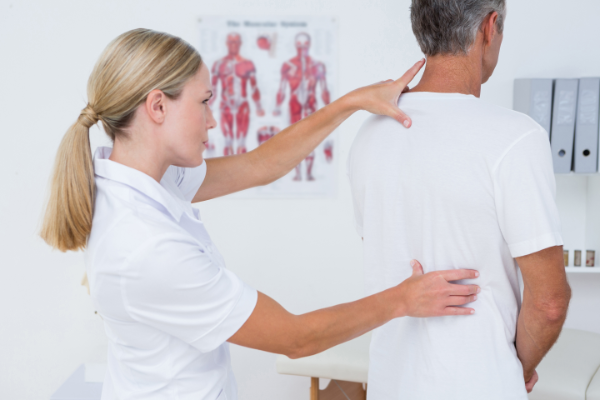
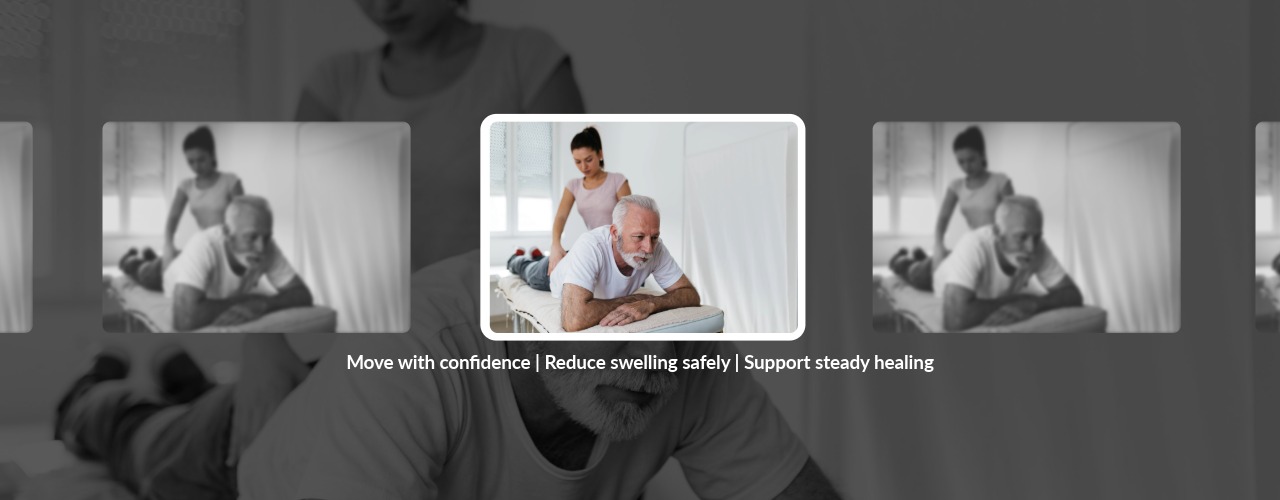
Ice and heat can provide temporary comfort, but they do not address the mechanical issues that often contribute to pain. Manual therapy performed by a physical therapist helps reduce soft tissue tension, improve joint mobility, and restore normal movement patterns. This deeper level of care helps calm irritation while preparing the body for strengthening exercises. The combination of hands-on care and guided movement is far more effective than temperature therapy alone.
Why Guided Strength Training Outperforms Generic Exercises
Online videos and standard exercise sheets cannot replace the precision of professionally guided programs. After surgery, each person has unique restrictions, muscle imbalances, and healing timelines. Physical therapists tailor exercises to match these needs and progress them safely. Strengthening without professional oversight risks aggravating healing tissues or reinforcing poor movement patterns. Guided strengthening helps restore stability, reduce compensations, and support long-term comfort.
Preventing Compensations That Increase Pain
The body naturally tries to protect surgical areas by shifting weight or using other muscles too much. These compensations may ease discomfort temporarily but often lead to soreness in other areas. Physical therapists watch for these patterns and correct them early. By teaching efficient, balanced movement strategies, therapists help adults avoid hidden issues that slow recovery.
Managing Swelling Through Targeted Techniques
Swelling can make managing post-op pain more intense and lead to limited motion. Home methods, such as elevation and icing, help, but physical therapy provides additional tools. Therapists use gentle lymphatic techniques, compression strategies, and specific movements that encourage fluid drainage. These techniques reduce stiffness, improve comfort, and prepare the area for strengthening work.
Rebuilding Confidence Through Education and Clear Expectations
Fear of movement is common after surgery. Not knowing what is safe can increase tension and worsen discomfort. Physical therapists explain every stage of the healing process, teach safe strategies, and celebrate progress along the way. This guidance helps adults feel in control of their recovery, which is a crucial part of managing post-op pain effectively.
Creating a Home Plan That Supports Professional Care
Once movement begins to feel easier, the right home program becomes essential. Therapists design simple routines that reinforce improvements made during visits. These may include light strengthening, stretching, and movement drills that match your daily activities. The consistency of this combined approach helps reduce pain and maintain momentum between appointments.
Recover with Skill and Confidence at REHABILITY NJ
At REHABILITY NJ, physical therapists create personalized plans that guide every phase of managing post-op pain. We focus on safe movement, targeted strengthening, hands-on care, and clear education to support a strong and steady recovery. Whether you are healing from joint surgery, soft tissue repair, or a procedure involving the spine, our team is here to help you rebuild strength and return to daily life with confidence. Contact REHABILITY NJ today to begin your recovery with expert support.