Pain after surgery is common, but adults often feel unsure whether the discomfort they experience is normal or something to worry about. Some rest too much, while others push too hard. Both extremes can slow healing. Safe and effective post-op pain management requires structured movement, guided recovery strategies, and exercises tailored to the type of surgery and stage of healing. Below are common myths adults believe, along with facts from a physical therapy perspective.
Why Pain After Surgery Needs the Right Kind of Support: Myths vs. Facts
Myth 1: Rest Is the Best Way to Reduce Post-Op Pain
Fact: Short periods of rest help early healing, but too much rest can increase pain. When joints and tissues stay still for long periods, stiffness increases and muscles weaken. This makes movement more painful and slows recovery. Physical therapists introduce gentle, controlled motion that encourages circulation, reduces stiffness, and improves comfort without stressing the surgical area. Movement becomes a tool for healing rather than something to fear.
Myth 2: Pain Means You Should Avoid All Activity
Fact: Some discomfort is normal during post-op pain management, especially when regaining strength or mobility. The key is learning which movements support healing and which ones delay it. Physical therapists guide patients through exercises that challenge the body safely while preventing irritation. They watch for protective movement patterns, teach proper form, and adjust intensity to match each stage of healing. This helps adults move confidently without risking setbacks.
Myth 3: Ice or Heat Alone Will Solve Post-Op Pain
Fact: Ice and heat can offer temporary relief, but they do not fix stiffness, weakness, or limited mobility. Physical therapy addresses the underlying causes of discomfort by improving joint motion, strengthening weakened muscles, and retraining movement patterns. Ice or heat may be used as supportive strategies, but long-term comfort comes from restoring the body’s natural movement.
Myth 4: Medication Is the Only Reliable Option for Post-Op Pain
Fact: While medication has an important role early on, it does not restore mobility or fix compensations that contribute to persistent discomfort. Physical therapy offers active strategies that decrease reliance on medication. Guided exercises reduce inflammation naturally, build strength, and teach the body how to move in ways that protect healing tissues. This balanced approach supports steady improvement without depending entirely on medication for relief.
Myth 5: You Should Push Through the Pain to Heal Faster
Fact: More effort does not always equal better results. Pushing too aggressively can irritate healing tissues and delay progress. Physical therapists help adults find the right amount of movement so the body can heal safely. They teach how to recognize productive discomfort versus harmful strain. This balance helps maintain momentum without increasing inflammation or risking reinjury.
Myth 6: Post-Op Pain Will Last Forever
Fact: Persistent pain usually signals stiffness, weakness, or limited mobility rather than permanent damage. With guided care, most adults regain comfortable movement and strength. Physical therapy identifies the factors contributing to lingering discomfort and creates a plan to address those issues. Many people feel discouraged early on, but progress becomes noticeable once movement patterns improve and muscles regain their ability to support the joint.
How Physical Therapy Supports Effective Pain Management
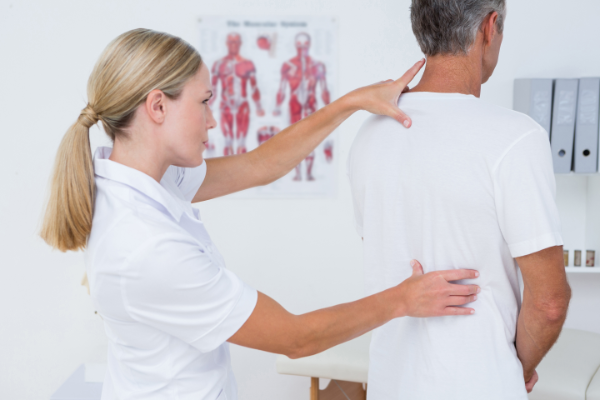
Physical therapy begins with an evaluation of mobility, strength, swelling, and movement quality. Therapists identify which tissues require protection, which need to be mobilized, and which need strengthening. Treatment often includes:
- Gentle mobility exercises
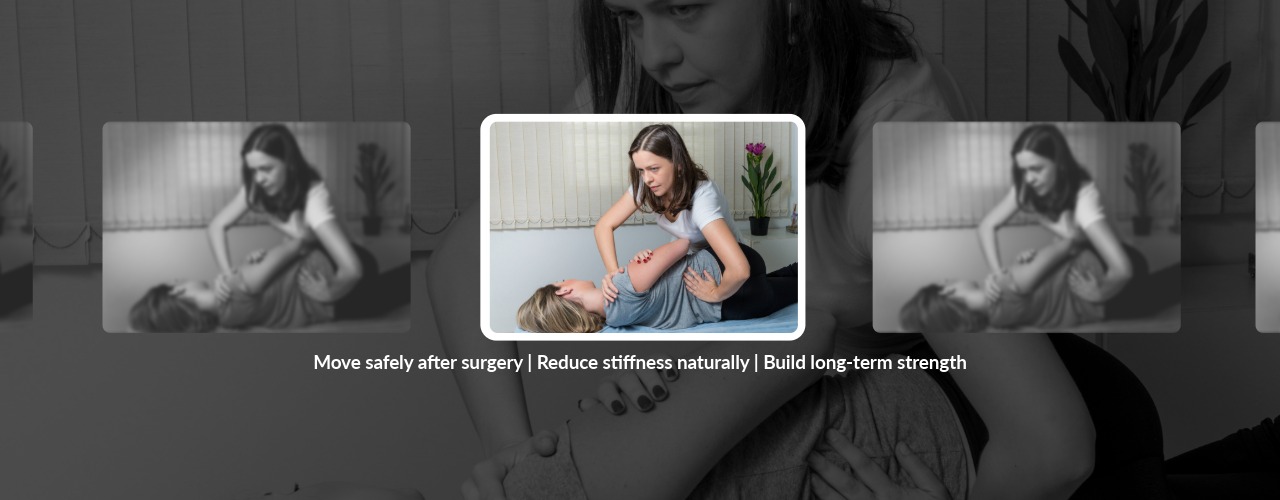
- Hands-on techniques to reduce tension
- Strengthening the surrounding muscles
- Walking and movement retraining
- Functional exercises for daily activity
This targeted approach guides the body through each stage of recovery while reducing discomfort and restoring confidence.
Why Early Motion Plays a Major Role in Pain Reduction
Movement encourages blood flow, which supports healing tissues with nutrients and oxygen. Early motion also reduces joint stiffness and prevents the formation of scar tissue that can limit mobility. A therapist selects movements that match the surgical procedure and the individual’s pain tolerance. These movements help adults regain flexibility without aggravating the area.
The Importance of Strength Training During Recovery
Weakness contributes to pain by forcing other tissues to work harder. Strength training is a crucial component of post-operative pain management, as it helps rebuild stability and reduces stress on healing structures. Therapists teach exercises that gradually increase load, helping muscles regain their function without exceeding safe limits. As strength improves, the body moves more efficiently, and pain naturally decreases.
How Functional Training Supports Long-Term Comfort
Daily activities such as standing, bending, or climbing stairs require coordination and stability. Physical therapists incorporate functional exercises that mimic real-life tasks. This prepares adults for daily activity without flare-ups. Practicing these movements in a controlled setting reduces fear and helps the body relearn efficient patterns.
Find Support for Your Post-Op Recovery at REHABILITY NJ
At REHABILITY NJ, physical therapists specialize in effective post-op pain management that restores movement, reduces discomfort, and promotes long-term strength. Our individualized plans guide each stage of healing with safe exercises and hands-on techniques. If you want a structured and supportive recovery, contact REHABILITY NJ today to begin your rehabilitation journey.