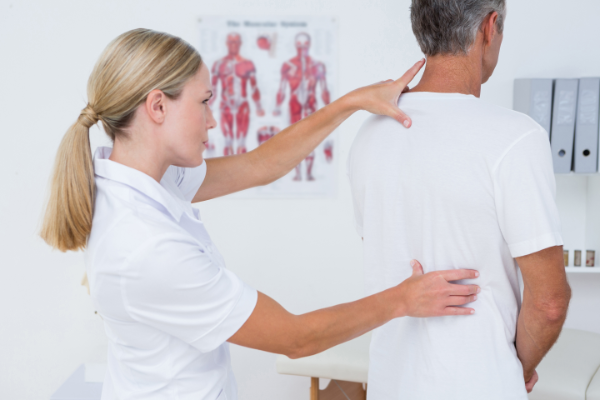
Mark (not his real name) is a 48-year-old warehouse supervisor who spends most of his day on his feet. One morning, he woke up with discomfort on the inside of his knee. He tried to ignore it, assuming he had twisted it slightly while working the day before. However, by the end of the week, the discomfort had evolved into noticeable knee pain and swelling, making it difficult to kneel or climb stairs. The knee felt stiff after sitting and tender after even light activity. Concerned, Mark scheduled an appointment with a physical therapist at REHABILITY NJ to understand what was happening.
Understanding Why Mark’s Knee Was Speaking Up
During the assessment, the physical therapist explained that knee pain and swelling often signal irritation within the joint or surrounding tissues. Swelling, even in small amounts, can limit motion and create a sense of tightness. The therapist examined Mark’s gait, hip strength, knee alignment, and joint mobility. Several findings stood out:
- Limited hip strength on one side
- Tight quadriceps muscles
- Decreased knee mobility
- Movement patterns that placed extra pressure on the knee
These factors combined to overload the joint during Mark’s long workdays.
How Swelling Interferes with Normal Knee Function
The therapist also explained that swelling does more than create inflammation. Even mild swelling can cause the quadriceps muscles to shut down, making the knee feel weak or unstable. This instability makes everyday movements harder and often increases pain. Mark realized that his instinct to rest completely had made the knee feel even stiffer because the joint lost motion each day he avoided activity.
Building a Plan That Targeted the Root of Mark’s Symptoms
To help Mark regain strength and motion, the physical therapist built a personalized treatment plan for knee pain and swelling. The first goal was to calm irritation and restore joint mobility. Through gentle hands-on techniques, guided stretching, and controlled bending and straightening, Mark began to feel smoother motion within the knee. The therapist taught him specific activities that reduced swelling by encouraging light movement without stressing the joint.
Strengthening the Right Muscles to Reduce Pressure on the Knee
Once pain began to settle, the therapist introduced strengthening exercises that targeted Mark’s hips, thighs, and core. Weak hip muscles had allowed his knee to collapse inward during walking and lifting at work. These small movement patterns, repeated thousands of times per day, contributed to Mark’s discomfort. Strengthening his hips helped restore better alignment so the knee no longer absorbed unnecessary stress.
Improving Soft Tissue Mobility for Better Knee Mechanics
Mark also learned that tight muscles can increase joint pressure. The therapist used soft tissue techniques to reduce tension in Mark’s quadriceps and hamstrings. As these tissues relaxed, Mark noticed less pulling around the knee and greater comfort during bending. Improved soft tissue mobility gave his joint more room to move and helped reduce lingering stiffness.
Teaching Mark How to Move Efficiently at Work
Because Mark spent long hours lifting and walking on concrete floors, the therapist taught him ways to move more efficiently. They practiced safe lifting strategies, step positioning, and simple adjustments to his standing posture. These changes helped Mark reduce daily stress on the knee and supported the gains he made during therapy sessions. By learning how to move with better control, Mark felt more confident returning to full duties at work.
Addressing Swelling Through Smart Daily Habits
The therapist also taught Mark how to manage swelling at home. Instead of complete rest, he used short bouts of movement to promote circulation. He took breaks to gently bend and straighten the knee, used elevation at the end of the day, and followed a short home-exercise routine. These strategies helped swelling decrease steadily and prevented discomfort from returning after long shifts.
Recognizing When Knee Pain Signals a Larger Issue
Through his recovery, Mark learned that knee pain and swelling are often early warnings that something in the body is not moving correctly. Whether due to poor mechanics, weak supporting muscles, or tight tissues, these symptoms are meaningful signals rather than simple annoyances. Early evaluation helps prevent worsening irritation and reduces the chance of needing more invasive treatment later.
Mark’s Return to Comfortable Movement
After several weeks of consistent physical therapy, Mark regained full knee motion, improved hip and thigh strength, and reduced stress on the irritated tissues. He could walk long distances at work again and no longer felt the sharp pain that had once stopped him from climbing stairs. More importantly, he understood how to care for his knee and prevent future problems. His progress showed him that recovery was not about doing more, but about doing the right things steadily and safely.
Find Support for Your Knee Pain at REHABILITY NJ
At REHABILITY NJ, physical therapists help adults identify what knee pain and swelling are telling them. Our individualized plans restore strength, improve mobility, and correct movement patterns that contribute to joint irritation. If your knee feels stiff, swollen, or uncomfortable, contact REHABILITY NJ today to begin a guided, effective path to recovery.